Restore a Leather Bag: Clean, Condition & Protect
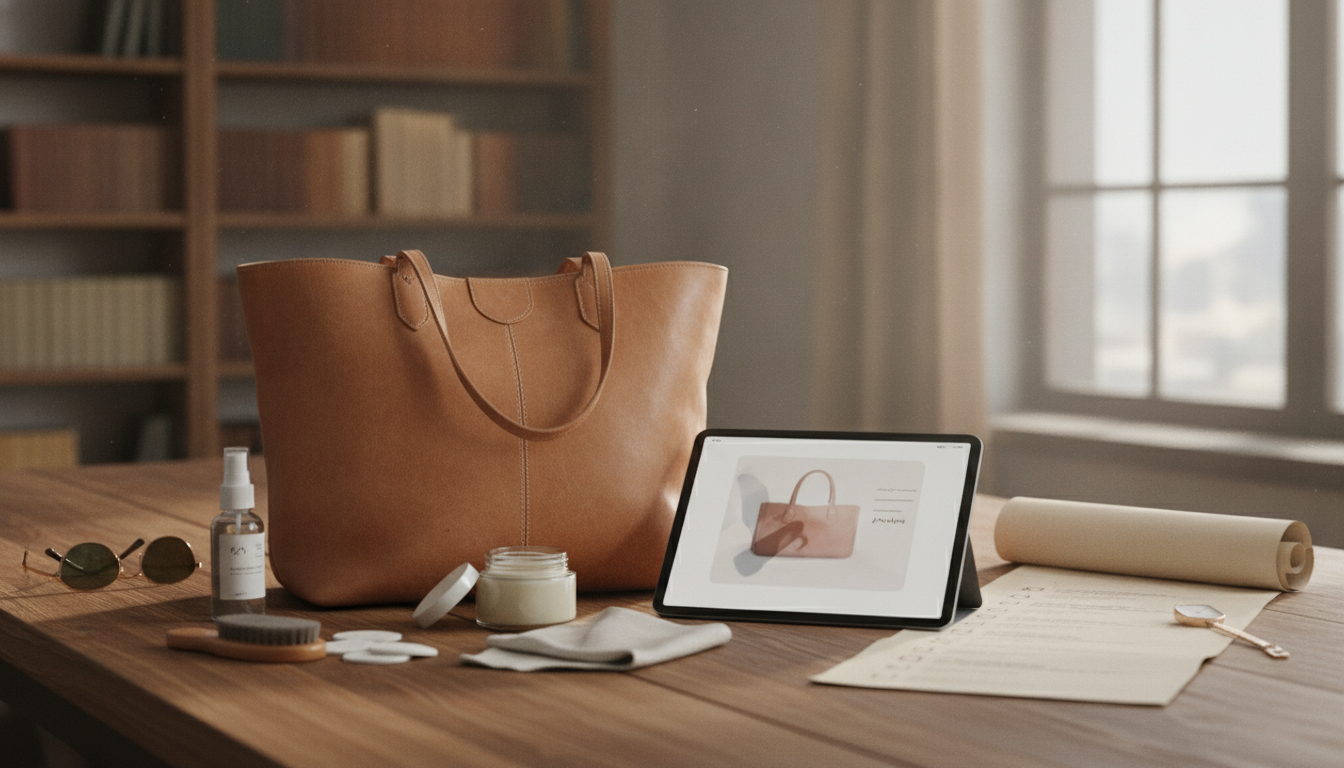
Bring Your Favorite Leather Bag Back to Life: Cleaning, Conditioning, and Long-Term Protection
A leather bag can look tired from daily handling, weather, dye transfer, and dryness—but many of the most common issues are reversible with the right sequence: identify the leather, remove surface soil, spot-treat stains, rehydrate with conditioner, and protect without clogging the pores. The goal is simple: refresh what you have while keeping risk low, especially on light colors and absorbent finishes.
Start With a Quick Leather Check (So the Fix Doesn’t Make It Worse)
Before any product touches the bag, take two minutes to confirm what you’re working with. Different finishes react very differently to moisture, oils, and friction.
- Identify the finish: smooth/aniline, semi-aniline, pigmented (coated), suede/nubuck, patent, or “vegan” (PU). Aniline and suede absorb quickly; coated leathers are more forgiving.
- Scan for risk areas: color transfer on light panels, cracked corners, sticky finishes, peeling coatings, and tarnished hardware that can stain leather.
- Do a spot test: test inside a seam or under a flap; let it fully dry before deciding it’s safe.
- Know when to stop: deep mold, severe ink saturation, active dye bleed, deteriorating sticky coatings, or structural damage (torn leather, failing straps) are best handled by a specialist. If needed, use the American Institute for Conservation’s directory to find a conservator.
Common Bag Problems and Safer First Steps
| Issue | Likely cause | First step | Avoid |
|---|---|---|---|
| Dull, dry look | Dehydration and surface soil | Gentle cleaning, then conditioner in thin layers | Heavy oils; over-conditioning |
| Dark handles/strap area | Skin oils + dirt buildup | Foam cleaner or mild saddle soap (sparingly), repeat light passes | Scrubbing hard; soaking |
| Water spots/rings | Uneven wetting on absorbent leather | Evenly lightly dampen area, let dry slowly, then condition | Heat tools; direct sun |
| Ink marks | Dye/ink penetration | Spot-test a dedicated leather ink remover; proceed cautiously | Alcohol wipes; acetone |
| Sticky or tacky finish | Degraded topcoat or residue | Dry wipe, then consult specialist or brand care | Conditioners; aggressive cleaners |
| White haze | Wax bloom or salts | Dry brush/wipe; minimal damp wipe if needed | Over-wetting; harsh solvents |
Prep the Bag: Empty, Vacuum, and Protect the Details
- Empty every pocket, shake out debris, then vacuum with a soft brush attachment. For delicate linings, a lint roller can be safer than suction.
- Remove detachable straps and charms. If you’ll polish hardware nearby, cover surrounding leather with painter’s tape to prevent smears.
- Use a soft horsehair brush to lift grit from seams, stitching, corners, and piping—this prevents micro-scratches during wiping.
- If there’s a musty odor, start with dry airing in a shaded, well-ventilated space (never direct sun).
Gentle Cleaning: Surface Dirt First, Stains Second
Cleaning is mostly about restraint. The best results come from removing loose grit first, then using minimal moisture and light pressure.
- Start dry: brush and wipe with a microfiber cloth to remove loose soil before adding any cleaner.
- Use a leather-appropriate cleaner: apply cleaner to the cloth (not directly to the bag) and work in small sections, rotating to a clean area of cloth.
- Keep water controlled: excess moisture can swell fibers, set stains, or create tide marks—especially on aniline leather.
- Match effort to the finish: pigmented/coated leather often brightens noticeably with cleaning alone; absorbent leathers should not be “worked” repeatedly in one spot.
Targeted Stain Triage (What to Try and What to Skip)
Conditioning: Rehydrate Without Overloading the Leather
Protection and Storage: Keep the “Just-Restored” Look Longer
- Protect thoughtfully: choose a protector compatible with your leather finish, especially for light colors and absorbent leathers. Always spot test first.
- Prevent color transfer: avoid pairing light bags with dark denim or freshly dyed clothing, especially in humidity.
- Store shaped, not stuffed: use acid-free tissue or clean cotton to support structure; avoid newspaper (ink transfer risk).
- Choose breathable storage: a dust bag or cotton pillowcase helps; plastic traps moisture.
- Mind the environment: store cool and dry; place silica packs nearby (not against the leather) to reduce humidity swings. For broader preservation guidance, see the Library of Congress notes on care, handling, and storage of leather.
A Simple Routine to Follow Anytime the Bag Looks Tired
A Step-by-Step Checklist and Guide for Restoring and Protecting Leather Bags
A repeatable checklist reduces guesswork—especially if you rotate between quick maintenance and deeper seasonal care. For a structured routine that covers leather ID, spot testing, the correct order (clean → dry → condition → protect), and storage habits, see: Bring Your Favorite Leather Bag Back to Life – Leather Bag Care Guide, Cleaning & Conditioning eBook, DIY Leather Cleaning Checklist, Restore & Protect Leather Bags.
If you’re stocking up on tools and want to plan purchases around promotions, these digital guides can help you build a simple buying routine: Unlocking Savings Secrets — Master Your Deal Hunting Routine: How to Schedule Regular Deal Hunts for Maximum Savings and Outlet Secrets: How to Score the Best Deals on Amazon | Digital Guide for Smart Shoppers.
FAQ
How often should a leather bag be conditioned?
For most bags, conditioning every 3–6 months works well, with more frequent light applications in dry climates or heavy use. Coated/pigmented leather often needs less, and a sticky feel or cloudy film are signs you’ve used too much.
Can water spots be removed from leather bags?
Often, yes—especially if the leather is absorbent and the ring is from uneven drying. Spot test first, then lightly and evenly dampen the broader area and let it dry slowly away from heat; condition after it’s fully dry to rebalance the look.
What should never be used to clean a leather bag?
Avoid alcohol wipes, acetone/nail polish remover, vinegar, baby wipes, abrasive “magic erasers,” and baking soda paste. These can strip finishes, cause permanent light spots, and make cracking or peeling more likely over time.










Leave a comment