Best Cat Scratching Device: Tall Sisal Post or Mat?
What is the best cat scratching device?
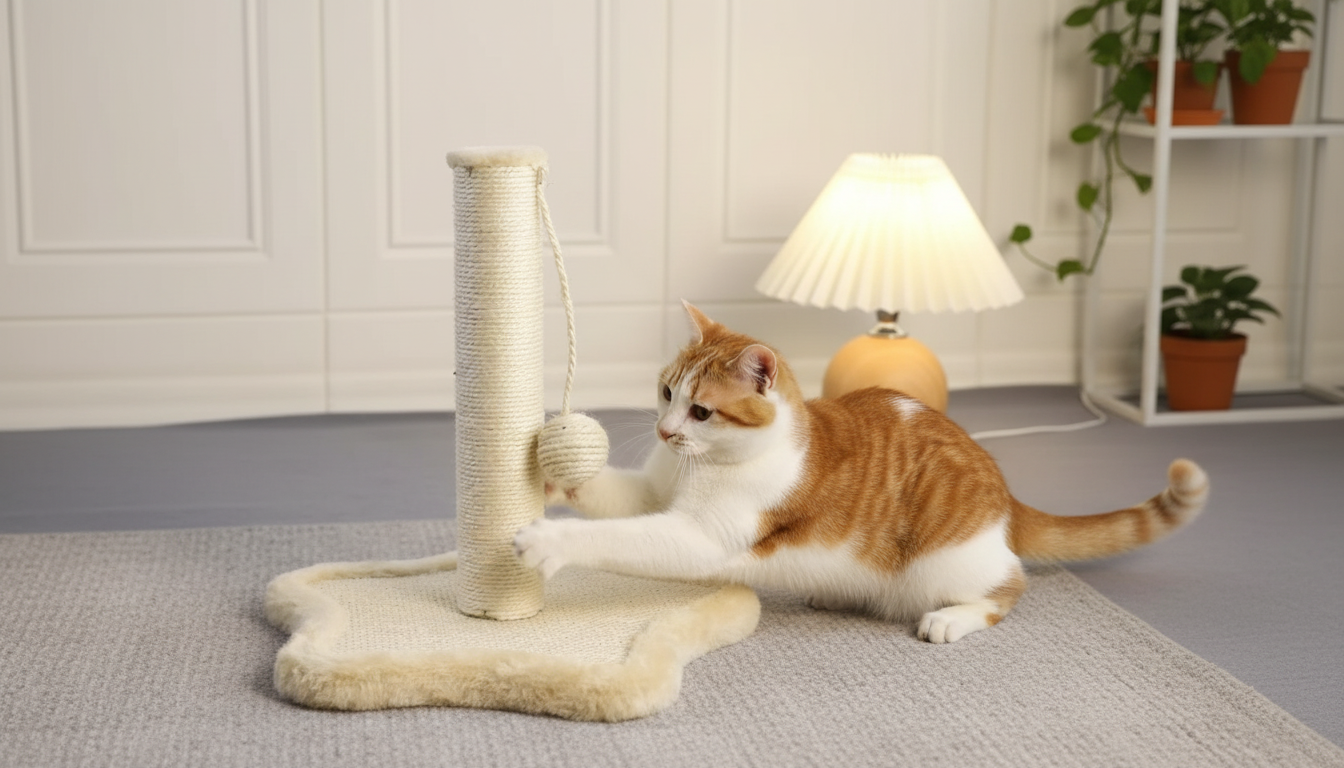
The best cat scratching device is the one your cat will actually use every day—without wobbling, shedding fibers everywhere, or taking over your living room. For most homes, a tall, sturdy scratching post wrapped in sisal is the most reliable all-around choice because it satisfies a cat’s need to stretch fully, mark territory, and shed old nail layers.
Why a tall, stable post usually wins
Cats prefer a scratcher that lets them extend their body to full height. Look for a post that’s at least 28–32 inches tall for average adult cats (taller is better for large breeds), with a wide base that won’t tip when they put their weight into it. Sisal rope or sisal fabric is typically the most durable and satisfying texture compared to flimsy carpet that can snag and fray.
When a horizontal scratcher is the “best”
Some cats strongly prefer scratching on the floor. If your cat targets rugs or doormats, a heavy horizontal scratcher (thick cardboard or a low-profile sisal mat) can outperform any vertical post. A good rule: match the angle and texture your cat already chooses, then place the scratcher right where the unwanted scratching happens.
Best option for small spaces
If you’re working with a compact apartment or tight corners, a slim footprint scratching post or a vertical wall-mounted scratcher can deliver a full stretch without eating floor space. For practical size and placement tips, see this guide: compact cat scratching post small-space setup tips.
Features that make a scratcher more “cat-proof”
Choose a device with a non-slip base, replaceable scratching surfaces (when possible), and minimal dangling parts if your cat gets overstimulated. If your cat ignores new scratchers, add catnip, use a wand toy to “reward” the spot, and keep it near sleep areas—many cats scratch right after waking.
FAQ
How do I get my cat to use a scratching post instead of furniture?
Put the scratcher next to the exact spot your cat targets, then reward any interaction with treats or play. Make furniture less appealing with temporary covers or double-sided tape while the new habit forms.









Leave a comment