Flying Without Fear: Calm Tools for Takeoff & Turbulence
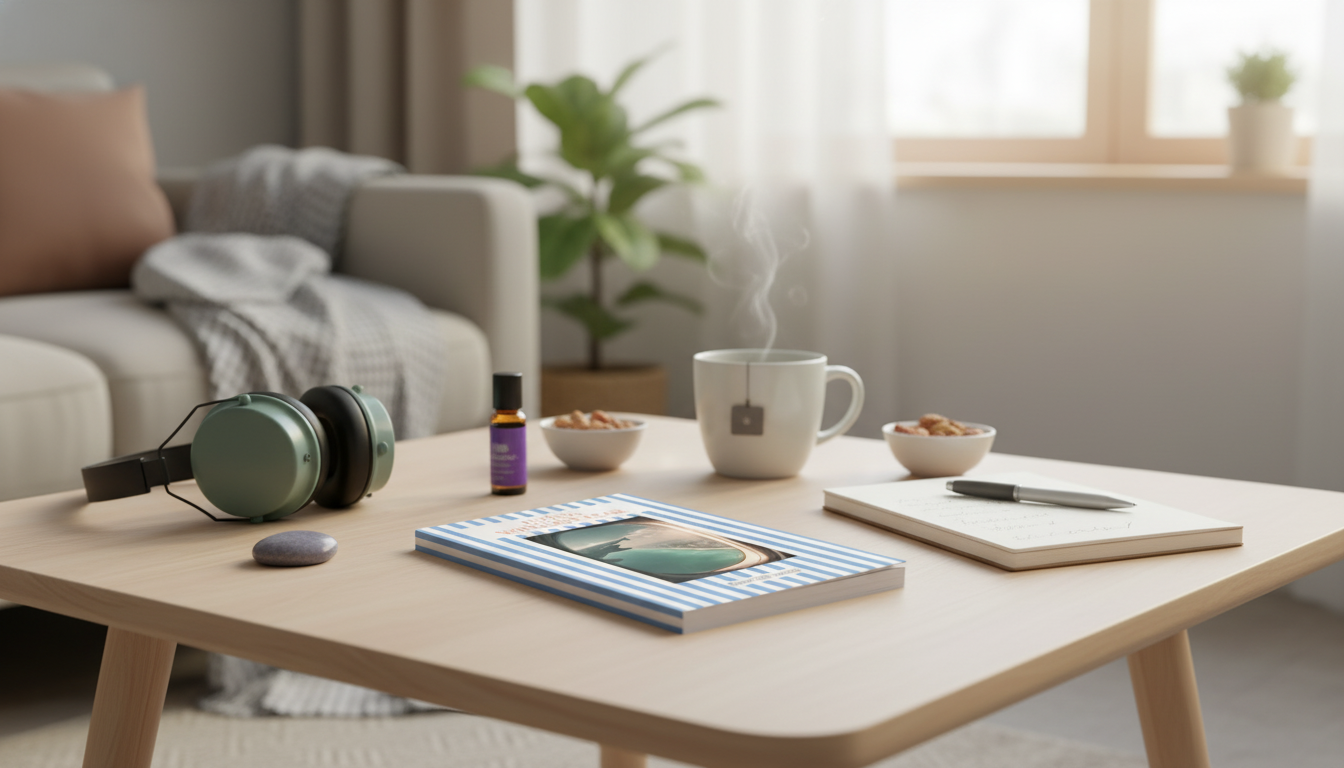
Flying Without Fear: Calming Techniques That Help Nervous Flyers Feel Steadier
Flight anxiety can show up as racing thoughts, a tight chest, or the urge to avoid travel altogether—even when flying matters for work, family, or long-awaited plans. Calming strategies work best when they’re practical, repeatable, and timed to the moments anxiety spikes most: planning, boarding, takeoff, turbulence, and landing. The goal isn’t to force fear away instantly, but to lower the intensity, regain a sense of control, and build confidence flight by flight.
Why flying fear feels so intense
Flying can trigger a unique “alarm” response because it combines uncertainty, body sensations, and a strong sense of being stuck. Understanding why it feels so powerful can reduce the shame and help you respond skillfully.
- Lack of control: Being strapped in, relying on systems and pilots, and not being able to “step out” can heighten alarm signals.
- Body sensations can be misread: Normal changes (engine sounds, bumps, acceleration) may be interpreted as danger, amplifying panic.
- Anticipatory anxiety: Worry often peaks before the trip—sometimes worse than the flight itself.
- Past experiences and learned fear: A turbulent flight, a panic episode, or repeated scary stories can condition the brain to expect threat.
- Helpful reframe: Anxiety is a protective response that can be retrained with preparation, skills practice, and gradual exposure.
A simple calm-down sequence for the airport and boarding
When anxiety rises at the airport, the fastest wins usually come from interrupting the “danger story” and settling the body first. Try this short sequence—quietly and without drawing attention.
- Name what’s happening: Silently label it “anxiety,” not “danger.” This reduces spiraling interpretations and helps you stay in problem-solving mode.
- Grounding (60 seconds): Notice 5 things you can see, 4 you can feel (feet on floor, seat texture), 3 you can hear, 2 you can smell, 1 you can taste.
- Breathing reset (2–3 minutes): Inhale gently through the nose, then exhale longer than you inhale. Keep shoulders relaxed and jaw unclenched.
- Muscle release: Tense and release hands, forearms, shoulders, and calves to interrupt the fight-or-flight loop.
- Plan your first 10 minutes on the plane: Seat settled, water sips, calming audio queued, and a short reading or puzzle ready.
If comfort is part of what keeps you regulated, consider building a “soft landing” outfit for travel days. Supportive shoes can reduce physical agitation when you’re standing in security lines or pacing at the gate, such as Women’s Floral Print Casual Sneakers.
Tools for takeoff, turbulence, and landing
Once you’re seated, the goal shifts: reduce alarm in the body, then keep your attention from feeding catastrophic interpretations.
- During takeoff: Expect louder engine noise and the push-back into the seat. Re-label it as “power + lift,” not a warning sign. Let your body ride the sensation instead of bracing against it.
- Turbulence response plan: Keep feet flat, sit back, unclench, and switch attention to slow exhale timing. Turbulence is uncomfortable, not a sign the plane is failing. For additional context, the Federal Aviation Administration (FAA) provides aviation safety information, including general guidance related to turbulence.
- Cognitive anchor phrases: Use short statements that don’t invite debate: “Bumps are normal,” “Pilots train for this,” “This feeling will pass.” Repeat them on every exhale.
- Sensory management: Noise-canceling headphones, a hoodie/eye mask, and a “safety playlist” can cue familiarity and routine.
- Micro-movements: Ankle circles, seated calf flexes, and shoulder rolls can reduce adrenaline discomfort without drawing attention.
What to practice before the trip (so skills feel automatic)
Skills feel flimsy when you only try them during peak fear. A small practice routine makes the same tools easier to access when your nervous system is loud.
For a broader understanding of anxiety symptoms and why they can feel so physical, the National Institute of Mental Health (NIMH) offers a helpful overview. If your fear is phobia-level or leads to avoidance, the NHS phobias guide outlines common treatments and support options.
Common thoughts that spike fear—and steadier alternatives
Quick-reference flight plan (save to your phone)
| Flight moment | Calming technique | What it helps |
|---|---|---|
| Gate waiting | 5-4-3-2-1 grounding | Reduces mental spirals and brings attention to the present |
| Boarding/door closing | Long-exhale breathing + relaxed jaw | Signals safety to the nervous system |
| Takeoff | Feet flat, shoulders down, steady exhale count | Counters adrenaline and reduces panic sensations |
| Turbulence | Unclench, sit back, label “normal,” slow exhale cycles | Interrupts catastrophic interpretation of bumps |
| Descent/landing | Task focus (music/puzzle) + breath pacing | Prevents anticipatory anxiety from building |
A structured guide for nervous flyers
- Look for phase-by-phase routines plus quick exercises that fit in a seat.
- Helpful extras include checklists, short scripts for anxious thoughts, and a pre-flight practice plan.
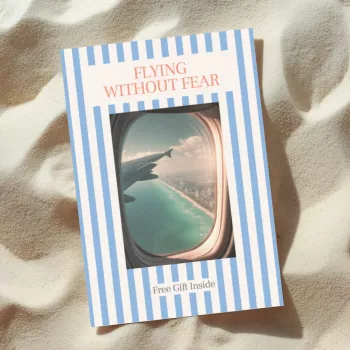
- Product option: Flying Without Fear: Calming Techniques for Nervous Flyers eBook Guide (a digital guide focused on practical calming strategies and flight-ready routines).
FAQ
What if panic starts mid-flight and doesn’t stop quickly?
Use a two-part plan: lower physical arousal first (long exhales, relax jaw/shoulders, feet grounded), then reduce catastrophic thoughts with short anchor phrases. Aim for intensity to drop gradually rather than instantly.
Does turbulence mean the plane is in danger?
Turbulence is typically airflow changes; it can feel scary, but aircraft are engineered and pilots are trained to handle it. During bumps, focus on managing your body’s alarm response with posture, unclenching, and slow exhales.
Should caffeine or alcohol be avoided when afraid of flying?
Caffeine can amplify physical anxiety sensations, and alcohol can disrupt sleep and trigger rebound anxiety later. Many nervous flyers do best with moderation and a focus on hydration, food, and rest; consult a clinician if you use medication for flight anxiety.









Leave a comment