AI Anxiety at Work: Stress, Burnout Signs, and Fixes
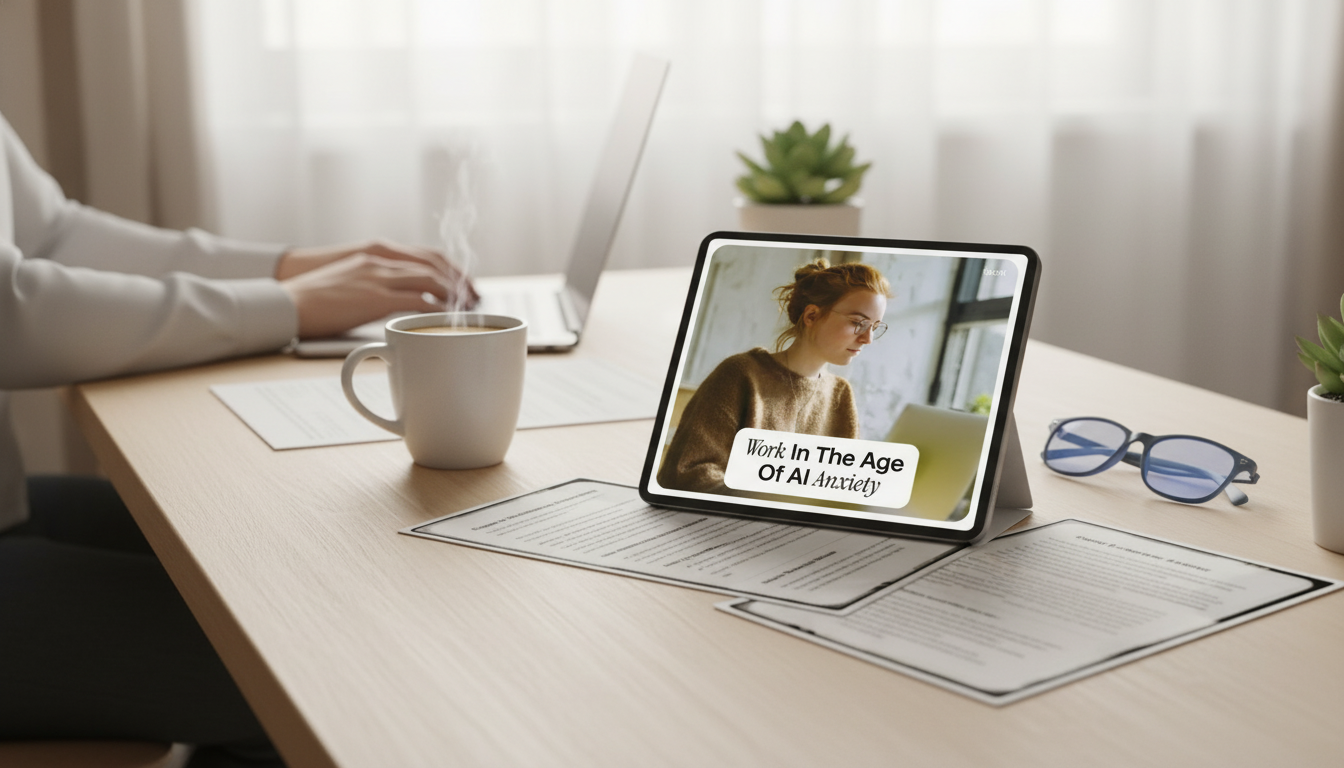
Work in the Age of AI Anxiety: A Practical Guide to Job Stress, Burnout, and Mental Health
AI is changing how work gets assigned, measured, and rewarded—often faster than teams can emotionally adapt. The result can feel like a constant background tension: pressure to keep up, fear of being replaced, and uncertainty about what skills will matter next. What helps most is naming what’s happening, separating normal stress from true burnout risk, and responding with clear boundaries and sustainable habits—at both the individual and leadership level.
Why AI Anxiety Feels Different From Ordinary Work Stress
Work stress has always existed, but AI-driven change adds a unique kind of “moving target” pressure. Uncertainty becomes continuous: roles can evolve mid-quarter, priorities can shift abruptly, and performance expectations may change without a clear training pathway. Even high performers can feel off-balance when the rules of “good work” aren’t stable.
There’s also a new comparison problem. When AI tools increase output, benchmarks can jump overnight—compressing timelines and turning “nice-to-have” speed into an assumed baseline. At the same time, decisions about automation, tooling, and staffing may be made far above the team level, which can create a real loss-of-control feeling.
For many people, the hardest part is identity strain. When tasks that once defined expertise become automated, confidence can dip and professional identity can feel threatened. Mixed emotions are normal here: curiosity and excitement can coexist with fear, grief, frustration, or even anger. That emotional blend isn’t a personal failing—it’s a human response to rapid change.
Common Triggers: How AI Changes the Workday
AI anxiety often isn’t caused by AI itself; it’s caused by how AI gets introduced into day-to-day work. A few triggers show up across industries:
- Monitoring and metrics: Increased tracking of output, response times, and “productivity” indicators can heighten vigilance and stress.
- Role ambiguity: Job descriptions lag behind reality, leaving people unsure what “good performance” looks like right now.
- Skill churn: Pressure to learn new tools while still meeting existing deliverables creates a double workload.
- Communication overload: More tools plus faster cycles can mean constant pings, context switching, and shallow focus.
- Job security worries: Automation narratives can trigger catastrophizing, even when change is gradual and uncertain.
If a team’s pace increases but resources and expectations don’t adjust, stress tends to become chronic. Over time, chronic stress is what raises burnout risk.
Stress vs. Burnout: Signs to Watch (and What They Mean)
AI-related burnout risk can rise when learning demands pile on top of an unchanged workload. Red flags at work may include more mistakes, avoidance of complex tasks, reduced creativity, more conflict, or “quiet disengagement.” The body may also signal trouble through sleep disruption, headaches, stomach issues, and persistent fatigue. The World Health Organization describes burn-out as an occupational phenomenon linked to chronic workplace stress that hasn’t been successfully managed (WHO guidance).
Quick guide: what you’re feeling and what helps first
| What’s showing up | Common workplace driver | First helpful step |
|---|---|---|
| Racing thoughts and constant urgency | Unclear expectations + faster cycles | Clarify “done” and “priority” in writing for the next 1–2 weeks |
| Difficulty focusing, frequent context switching | Too many tools/alerts and parallel tasks | Set two daily focus blocks; mute non-urgent notifications |
| Detachment or cynicism | Low control over changes and metrics | Identify one controllable boundary (hours, scope, response time) and enforce it |
| Fear of replacement | Automation rumors, opaque planning | List 3 durable skills to strengthen (problem framing, stakeholder communication, domain expertise) |
| Exhaustion despite rest | Workload not reduced while learning AI tools | Negotiate workload trade-offs before taking on new AI-driven expectations |
A Grounded Plan for Individuals: Skills, Boundaries, and Calm
For practical stress-management basics and workplace risk factors, the CDC’s NIOSH resources on stress at work are a strong reference point (NIOSH (CDC) – Stress at Work).
What Managers Can Do: Reduce Fear Without Denying Reality
For additional workplace well-being frameworks and organizational practices, the American Psychological Association offers practical resources (APA – Work and Well-being).
Ethics, Privacy, and the Mental Health Impact of Monitoring
Recommended Resources and Helpful Upgrades
- Work in the Age of AI Anxiety – Ebook on ai impact on job stress, Workplace Burnout, Future of Work & Mental Health
- Women’s Floral Print Casual Sneakers (useful for short walk breaks that reduce stress momentum)
- Luxury Crystal Wall Lamp – Elegant Iron & Crystal Light for Living Spaces (a lighting upgrade can support a more settled, less “wired” workspace)
FAQ
How can AI increase workplace stress even when it saves time?
Time savings can be offset by higher output expectations, faster delivery cycles, constant learning demands, and increased monitoring. For example, a report that took two days may now be expected same-day, while you’re also learning a new AI workflow—so the “saved time” becomes new pressure. A quick reset is to clarify priorities and define what “done” means for the next 1–2 weeks, then set boundaries around response times and meeting load.
What are early signs of burnout in fast-changing, AI-heavy roles?
Early signs often include emotional exhaustion, cynicism or detachment, reduced sense of efficacy, sleep disruption, and more mistakes or avoidance of complex tasks. If symptoms persist, worsen, or affect health and functioning, it’s appropriate to seek professional support and request concrete workplace adjustments (like workload trade-offs and protected learning time).
What should managers do first to reduce AI-related anxiety on their teams?
Start with clarity: communicate what is changing, what isn’t, and when more information is coming. Pair new AI expectations with workload trade-offs, protect time for learning during work hours, and use metrics responsibly so people aren’t rewarded for constant availability over sustainable outcomes.










Leave a comment