Low Sleep Hormones: 6 Signs Your Rhythm Is Off
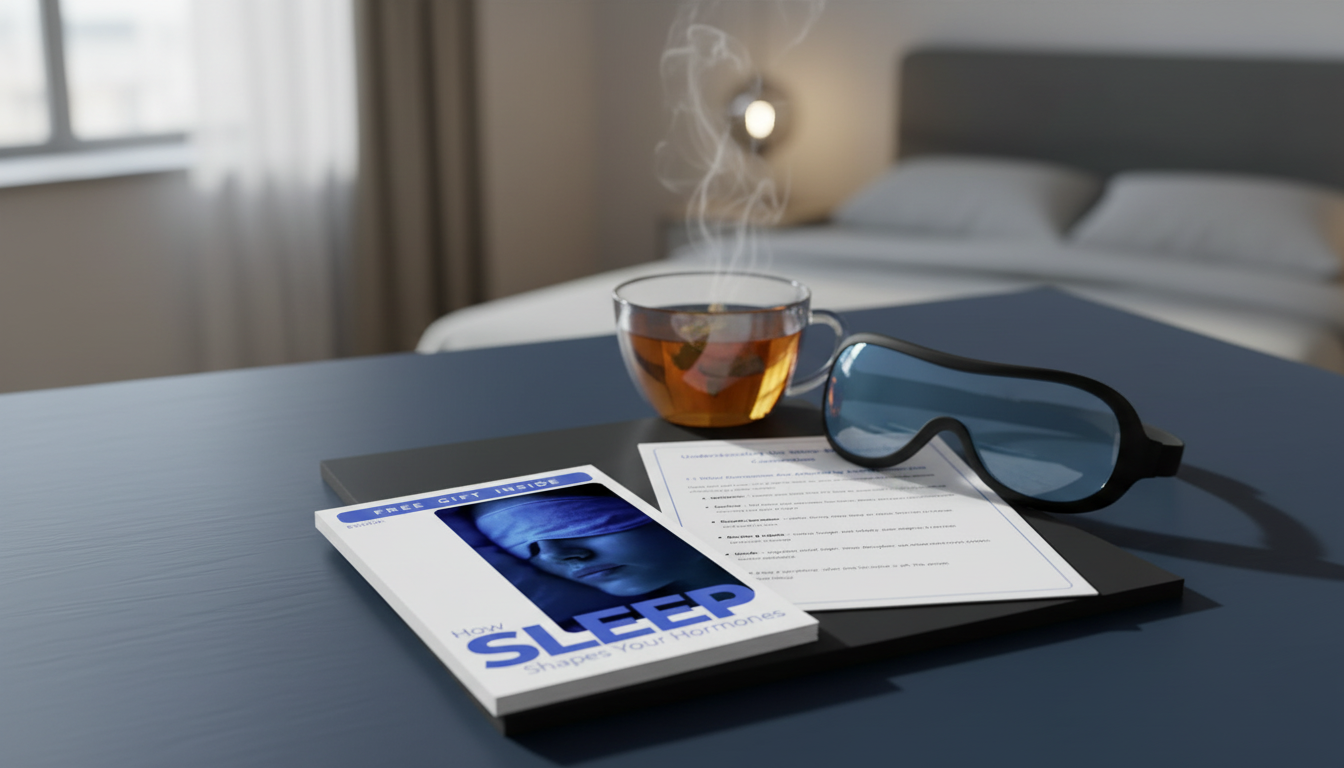
What are signs of low sleep hormones?
“Sleep hormones” usually refers to melatonin and the larger nighttime chemistry that helps the body shift into rest. When those signals are low, delayed, or out of sync with your circadian rhythm, sleep can feel lighter, later, or less refreshing—sometimes even if you spend enough hours in bed.
Common signs your sleep hormones may be running low or off-schedule
Trouble falling asleep at a normal time: You feel tired, but your brain stays “on,” and bedtime keeps drifting later.
Waking up too early or waking often: You pop awake at 3–5 a.m. or wake repeatedly and struggle to get back to sleep.
Light, unrefreshing sleep: You sleep “enough” but still wake up groggy, foggy, or irritable.
Afternoon energy crashes: A sharp dip in energy in the early-to-mid afternoon can hint that your day-night rhythm isn’t well supported.
More evening alertness: You feel wired at night—especially after screens, bright lights, or late workouts—when your body should be winding down.
Cravings and appetite shifts at night: Strong late-night cravings for carbs or sweets can show up when sleep timing is off and stress chemistry is high.
What can make sleep hormones feel “low”
Bright light exposure late in the evening, inconsistent sleep schedules, travel or shift work, heavy caffeine later in the day, and chronic stress can all blunt or delay the normal nighttime rise of sleep-promoting hormones. Some medications and aging can also change melatonin patterns.
How to support a healthier nighttime signal
Keep wake-up time consistent, dim lights 1–2 hours before bed, and get outdoor light soon after waking. If you want a deeper breakdown of melatonin, circadian rhythm, cortisol, and why cravings and energy swings happen, read the full guide here: sleep hormones and circadian rhythm guide.
FAQ
How can I increase melatonin naturally?
Get bright daylight in the morning, keep evenings dim, and avoid screens or use strong blue-light reduction close to bedtime. A consistent sleep schedule and a cool, dark bedroom also help your body produce melatonin on time.












Leave a comment