Tight-Space Storage Plan: Zones, Vertical, Hidden Wins
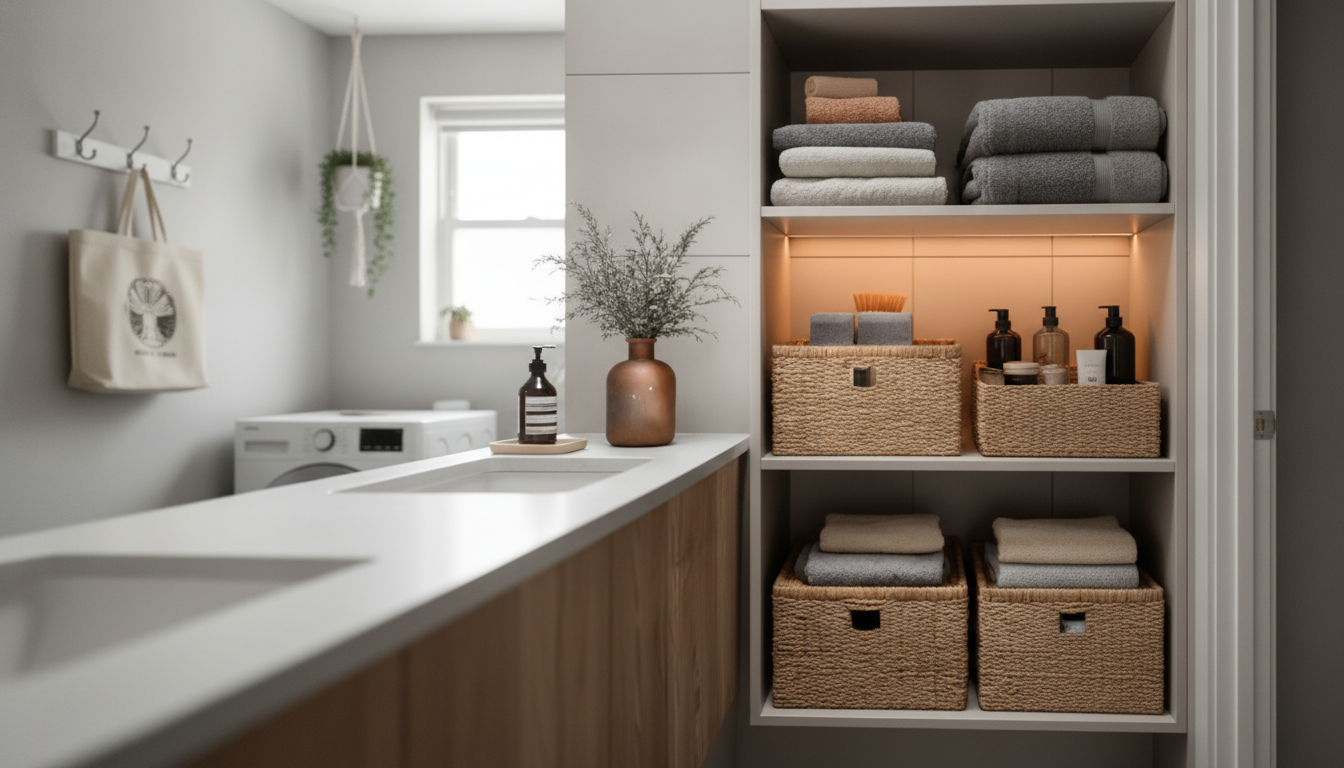
How to Plan Storage in Tight Spaces: A Smart Organization Guide for Apartments, Tiny Homes, and Minimalist Living
Tight spaces feel smaller when everyday items don’t have a clear home. A practical storage plan starts with measuring, zoning, and choosing systems that match real routines—so floors stay clear, surfaces stay usable, and finding things becomes automatic.
Start with a quick space-and-stuff audit
Before buying bins or another shelf, take 20–30 minutes to map what you actually use and where storage is hiding in plain sight.
- Walk through each room and list the top 10 items used daily, weekly, and seasonally.
- Measure the “hidden” storage: under-bed clearance, cabinet depth, closet height, door swing areas, and wall space above furniture.
- Note friction points: clutter hotspots, missing drop zones, and items that don’t fit where they’re currently stored.
- Decide what must stay accessible (daily), what can be stored higher or deeper (seasonal), and what can be removed (rarely used).
One safety note: when you’re shifting heavier items to higher shelves, follow practical lifting guidance and keep loads manageable—especially in awkward tight-space angles. The CDC’s NIOSH resources are a helpful reference for safer handling: https://www.cdc.gov/niosh/.
Create storage zones based on routines (not room labels)
Small homes work best when storage follows behavior. Instead of “living room storage” or “bedroom storage,” set up zones that match how items move through your day.
- Entry zone: keys, bags, shoes, mail—keep it within 3 steps of the door.
- Cooking zone: store tools and pantry items at the point of use; avoid “miscellaneous” drawers by assigning categories.
- Work/tech zone: designate one charging station and one paper station to prevent spread across surfaces.
- Laundry/cleaning zone: group supplies near where they’re used; keep refills up high and daily products reachable.
- Sleep zone: limit bedside storage to essentials; move overflow to under-bed or vertical shelving.
Zone planning cheat sheet for small spaces
| Zone | Store here | Best location | Keep-access rule |
|---|---|---|---|
| Entry | Keys, wallet, sunglasses, shoes, mail | Wall by door + slim shoe storage | Daily items at hand level |
| Kitchen | Pantry basics, pans, prep tools | Near stove/sink/prep counter | Most-used items between waist and eye level |
| Work/Tech | Laptop, chargers, notebooks, router | One shelf/cabinet + charging hub | Cables contained; one visible charging spot |
| Cleaning | Sprays, cloths, vacuum parts, refills | Near utility closet or under-sink | Daily cleaners reachable; refills higher |
| Sleep | Bedding, off-season clothes, backups | Under-bed + top closet shelf | Only “tonight” essentials near the bed |
Use the “vertical-first” rule to free floor space
In tight layouts, floor space is your most expensive real estate. When something can go up, let it go up.
- Add wall-mounted shelves above desks, toilets, and door frames for lightweight items.
- Choose tall, narrow furniture (bookcases, pantry towers) instead of low, wide units that consume floor area.
- Use the back of doors: hooks, hanging organizers, and over-door racks for cleaning tools, accessories, or pantry overflow.
- Stack smartly inside cabinets with risers and shelf inserts to double usable space without remodeling.
When you store items higher, keep egress and heat sources in mind—avoid blocking vents, heaters, and pathways. For general home safety considerations, NFPA guidance is a solid starting point: https://www.nfpa.org/.
Choose containers that prevent re-cluttering
The right container doesn’t just hold items—it limits them. If a bin becomes a “junk magnet,” it’s not doing its job.
- Standardize bin sizes so they nest, stack, and swap between rooms.
- Use clear bins for categories that cause rummaging (cables, meds, toiletries); use opaque bins for visual calm.
- Label by category + constraint (example: “Batteries—1 bin only”) to keep volume capped.
- Prefer lidded bins for under-bed and high shelves to reduce dust and visual noise.
- Avoid “maybe” boxes; set a 30-day review rule for uncertain items.
For cleaning supply zones, consider choosing products with clearer safety standards where possible. The EPA’s Safer Choice program offers useful guidance: https://www.epa.gov/saferchoice.
Hidden storage upgrades for apartments and tiny homes
Hidden storage is the difference between “organized” and “effortlessly livable,” especially when closets are small or non-existent.
- Under-bed: rolling bins, vacuum bags for seasonal textiles, or flat drawers for shoes.
- Behind-couch: slim console table or narrow shelving for books and tech accessories.
- Inside cabinet doors: attach organizers for wraps, lids, spices, hair tools, or cleaning cloths.
- Bathroom: tension poles, magnetic strips for small metal tools, and stackable drawers under the sink.
- Closets: double-hang rods, shelf dividers, and hanging vertical cubbies for sweaters and linens.
A minimalist-friendly decision system (keep, store, release)
Make it smart: small automations that maintain order
Put the plan into action with a ready-to-use guide
- How to Plan Storage in Tight Spaces | Smart Home Organization Guide for Small Apartments, Tiny Homes & Minimalist Living | Digital Download
- Unlocking Savings Secrets — Master Your Deal Hunting Routine: How to Schedule Regular Deal Hunts for Maximum Savings
- Outlet Secrets: How to Score the Best Deals on Amazon | Digital Guide for Smart Shoppers
FAQ
What is the best way to organize a small apartment with limited closet space?
Zone your storage by routine, go vertical first with shelves and over-door organizers, and use standardized bins so categories stay contained. Keep daily items within easy reach and move seasonal items to higher shelves or under-bed storage.
How can storage stay organized long-term without constant decluttering?
Use constraints like one-bin limits per category, clear labels, and a weekly 10-minute reset for your top clutter hotspots. A “return path” system—where every item has an easy home—prevents pileups before they start.
What are the most effective hidden storage areas in tight spaces?
Under-bed space, inside cabinet doors, behind-couch slim shelving, over-door organizers, and high shelves above doors deliver extra capacity without changing your footprint. These spots work best when paired with lidded, labeled containers.









Leave a comment