Financial Intimacy for Couples: Money Talks That Work
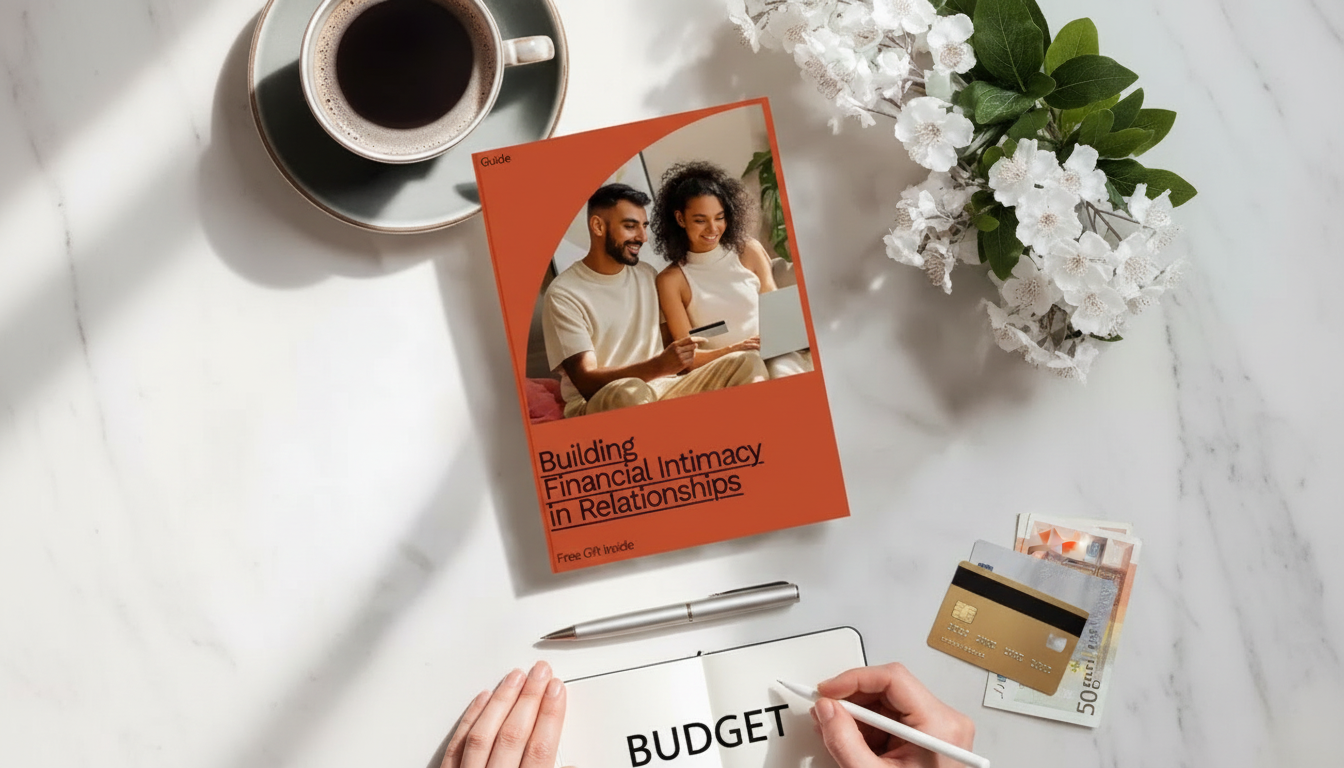
Building Financial Intimacy in Relationships: A Practical Guide to Navigating Money Conversations Together
Money talks can feel loaded because they touch safety, independence, fairness, and future plans. Financial intimacy isn’t about sharing every account or agreeing on every purchase—it’s the ability to speak honestly about money without fear, secrecy, or blame. The steps below help couples create calmer conversations, understand each other’s money stories, and build simple routines that keep day-to-day decisions aligned with shared goals.
What financial intimacy looks like (and what it doesn’t)
Financial intimacy is more “shared clarity” than “shared logins.” It shows up as:
- Shared clarity: both partners understand income, fixed costs, debts, and major obligations at a high level—even if accounts remain separate.
- Shared language: terms like “needs,” “wants,” “safety buffer,” and “big purchase” mean the same thing to both people.
- Shared process: a repeatable way to make decisions (budgets, rules, check-ins), not constant debate.
- Not required: identical spending styles, full account merging, or permission-seeking for every expense.
When money becomes a taboo topic, stress tends to rise. Research on financial stress and health reinforces why calmer, structured conversations matter (see APA’s Stress in America).
Start with money stories before numbers
If you jump straight to spreadsheets, you may end up fighting about symptoms instead of needs. Start with stories so each person feels understood.
- Swap origin stories: earliest memory of money, what felt scarce, what felt secure, and what felt unfair.
- Name default roles: who tends to be the saver, spender, planner, avoider, or rescuer—and how that shows up under stress.
- Identify triggers: debt anxiety, surprise spending, family requests, income gaps, or feeling controlled.
- Turn judgment into curiosity: replace “Why would you do that?” with “What need was that trying to meet?”
If this part feels hard, consider using guided prompts to keep the conversation warm and specific. The digital guide Building Financial Intimacy in Relationships: A Practical Guide to Navigating Money Conversations Together is designed to help couples move from vague tension to clear next steps.
Create the conditions for calmer money conversations
Money conversations go best when they’re planned, time-boxed, and predictable—so neither person feels ambushed.
- Choose a neutral time: not during a bill due date, after an argument, or when hungry/tired.
- Use a “money date” rhythm: 20–40 minutes weekly for operations (bills, categories) and a monthly longer session for goals and big decisions.
- Agree on ground rules: no sarcasm, no interruptions, no surprise accusations; take a 10-minute pause if voices rise.
- Keep it visible: one shared place for plans (spreadsheet, budgeting app, or a simple notes doc).
Money date agenda: a simple structure that prevents spirals
| Time | Focus | Prompts | Output |
|---|---|---|---|
| 5 min | Check-in | What felt stressful about money this week? What felt good? | Tone + shared awareness |
| 10 min | Reality review | Balances, upcoming bills, subscriptions, debt minimums | No surprises |
| 10 min | Decisions | Any purchases above the agreed threshold? Any upcoming events? | Clear yes/no + next steps |
| 5–15 min | Goals | What is the next small step toward the top goal? | One action item |
For additional tools on budgeting basics, consumer rights, and money planning, the Consumer Financial Protection Bureau (CFPB) has practical, plain-language resources.
A practical framework for shared decisions
Many couples get stuck because every purchase feels like a referendum on values. A simple framework reduces friction by making expectations visible.
- Define three lanes: (1) individual freedom money, (2) shared household money, (3) shared goals money.
- Set a “big purchase” threshold: any single purchase above a chosen amount requires a heads-up (even if it’s “yes” most of the time).
- Clarify non-negotiables: minimum emergency buffer, on-time bills, and debt rules (no new debt without discussion).
- Make trade-offs explicit: if something new is added, what gets reduced or delayed?
If saving is part of the goal, consistency matters more than intensity. Some couples like pairing their monthly money date with a “deal hunt” routine so saving becomes a shared habit instead of a personal burden. If that’s appealing, Unlocking Savings Secrets — Master Your Deal Hunting Routine can help you build a simple schedule and keep it from taking over your life.
Conversation scripts that reduce defensiveness
The way a money conversation starts often determines where it ends. Try scripts that protect dignity and keep the focus on teamwork.
When conflict escalates quickly, it can help to focus on de-escalation skills and repair attempts. The Gottman Institute offers widely referenced relationship communication concepts couples can practice between money dates.
Handling common friction points without resentment
Build daily trust with small financial rituals
A guided path when talks keep going in circles
If you want a step-by-step format you can follow week by week, Building Financial Intimacy in Relationships: A Practical Guide to Navigating Money Conversations Together is a simple, practical companion for turning good intentions into routines.
FAQ
How often should couples talk about money?
Aim for a short weekly check-in (20–40 minutes) to handle bills and decisions, plus a monthly session for goals and bigger planning. Consistency matters more than length, especially when you choose a low-stress time.
Should partners combine finances to build trust?
Not necessarily—trust can grow with shared visibility and clear agreements even if accounts stay separate. Common setups include fully joint, partially joint (shared bills + separate personal accounts), or separate accounts with a shared system for expenses.
What if one partner avoids money conversations?
Start with short, time-boxed talks and a written agenda, and lead with feelings and goals before diving into numbers. If avoidance is tied to anxiety or frequent conflict, professional support can help make the conversations feel safer and more productive.












Leave a comment