Posture & Confidence: A 2-Minute Reset for Presence

The Surprising Link Between Posture and Confidence
Posture isn’t just about looking “upright.” The way the body stacks, breathes, and moves can shape how safe, capable, and present someone feels moment to moment. Small adjustments—done consistently—can reduce tension, support calmer breathing, and make confident actions feel more accessible in everyday situations.
Why Posture Can Change How Confidence Feels
Confidence often gets framed as a mindset, but the body quietly influences it all day. When posture supports easy breathing and reduces strain, it becomes easier to show up with steadiness—especially under pressure.
- Breathing mechanics shift with body position. A more open, stacked posture can make breathing feel smoother, which often supports calmer speech and a steadier baseline.
- Less physical strain means fewer distractions. When neck, shoulders, and low back aren’t working overtime, attention is freed up for conversation, decision-making, and performance.
- Your body sends “threat” or “safety” signals. Collapsed or braced positions can nudge the nervous system toward tension, while a comfortable, grounded stance can support readiness to engage.
- Confidence is often behavioral. Even when emotions lag behind, posture can make confident behaviors—eye contact, a clear voice, a steady pace—feel less effortful.
For a general overview of why posture matters for health and comfort, Harvard Health Publishing offers a helpful primer: Harvard Health Publishing — Sit up straight!.
Common Posture Patterns That Quiet Confidence
Many “low-confidence” posture habits start as comfort strategies—especially during screen time, stress, or fatigue. The issue isn’t that they’re morally “bad,” but that they can subtly limit breath, increase tension, and reduce presence.
- Forward-head posture and rounded shoulders: can compress the chest, limit rib movement, and promote shallow breathing.
- Collapsed sitting: hips rolled back, ribs down, chin forward—often linked with fatigue and a low-energy presentation.
- Locked knees and rigid “military” stance: can elevate tension and make the body feel braced rather than grounded.
- “Phone posture” habits: frequent downward gaze can follow you into meetings, dates, and presentations as reduced presence.
A Practical 2-Minute Posture Reset for Daily Situations
This reset is designed for real life: before a call, after scrolling, or right before walking into a room. It’s not about forcing a look—it’s about finding a stable, breathable baseline.
- Feet: Place them hip-width. Feel pressure across heel, big toe, and little toe. Soften knees rather than locking them.
- Pelvis and ribs: Bring the pelvis to neutral (not tucked hard, not arched). Let ribs stack over hips without flaring.
- Shoulders: Roll up-back-down once, then let them rest heavy. Imagine collarbones widening.
- Neck and head: Lengthen the back of the neck. Chin slightly tucked, like balancing a book, without stiffness.
- Breath cue: Inhale through the nose and expand the low ribs. Exhale slowly while keeping shoulders relaxed.
To deepen the calming effect, relaxation skills can pair well with posture resets. The National Center for Complementary and Integrative Health provides practical options here: NCCIH — Relaxation Techniques for Health.
Posture-to-Confidence Habits That Stick (Without Overthinking)
“Perfect posture” isn’t a realistic daily goal. What works better: small cues repeated often, tied to routines that already happen.
- Anchor posture to routines: doorways, brushing teeth, starting the car, opening a laptop—use these as alignment triggers.
- Use micro-reps: 10–20 seconds of stacking and breath, repeated 5–10 times daily, beats one long session.
- Choose one focus per week: feet, ribs, shoulders, or gaze—reduce fatigue and perfectionism.
- Pair posture with one behavior goal: speak one sentence slower, keep gaze level, or take one purposeful step forward.
- Track outcomes, not angles: note energy, steadiness, and willingness to participate instead of chasing a “perfect” look.
Quick posture cues for common confidence moments
| Moment | Posture cue | Confidence payoff |
|---|---|---|
| Before a meeting | Feet grounded, ribs stacked, 3 slow nasal breaths | Clearer voice and calmer entry |
| On a video call | Sit on sit-bones, screen at eye level, shoulders heavy | More presence and less fidgeting |
| Walking into a room | Soft knees, tall spine, gaze level | Stronger first impression without strain |
| Difficult conversation | Exhale longer than inhale, unclench jaw, widen collarbones | Less reactivity; steadier tone |
| Presenting | Weight balanced, hands relaxed, pause between points | More authority and control |
Breath, Voice, and Eye Line: The Confidence Trio
Stress can tighten the body quickly, which makes posture harder to maintain. For a clear explanation of how stress affects physical systems, see: American Psychological Association — Stress effects on the body.
When Posture Work Should Be Gentle (And When to Get Help)
A Practical Guide for Building Presence Day by Day
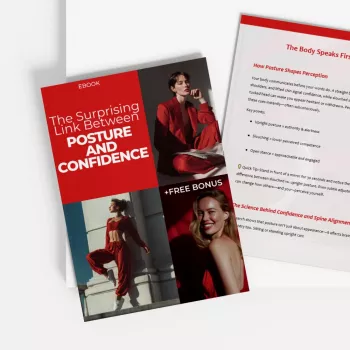
For structured routines and easy daily practice, consider: The Surprising Link Between Posture and Confidence | Practical Ebook on the posture and confidence link for Presence, Self-Belief & Daily Confidence.
For additional self-improvement resources that support follow-through and daily routines, you may also like: Unlocking Savings Secrets — Master Your Deal Hunting Routine: How to Schedule Regular Deal Hunts for Maximum Savings and Outlet Secrets: How to Score the Best Deals on Amazon | Digital Guide for Smart Shoppers.
FAQ
Can changing posture really improve confidence?
Yes—posture can influence breathing, muscle tension, and how “ready to engage” the body feels. Over time, when confident behaviors feel easier to access, self-belief often becomes more natural because the body isn’t constantly signaling strain or withdrawal.
How long does it take to notice a difference?
Small changes like calmer breathing and a steadier voice can show up within minutes of a posture reset. More lasting comfort and automatic habits usually take a few weeks of consistent micro-practice throughout the day.
What if “standing tall” makes anxiety worse?
Use gentle stacking instead of rigid bracing: soften the knees, keep ribs stacked over hips, and lengthen the exhale to reduce intensity. If anxiety spikes persist or include pain, dizziness, or breathing trouble, getting professional help is a good next step.








Leave a comment