Heat Styling Wigs: Tools, Temps & Fiber Safety
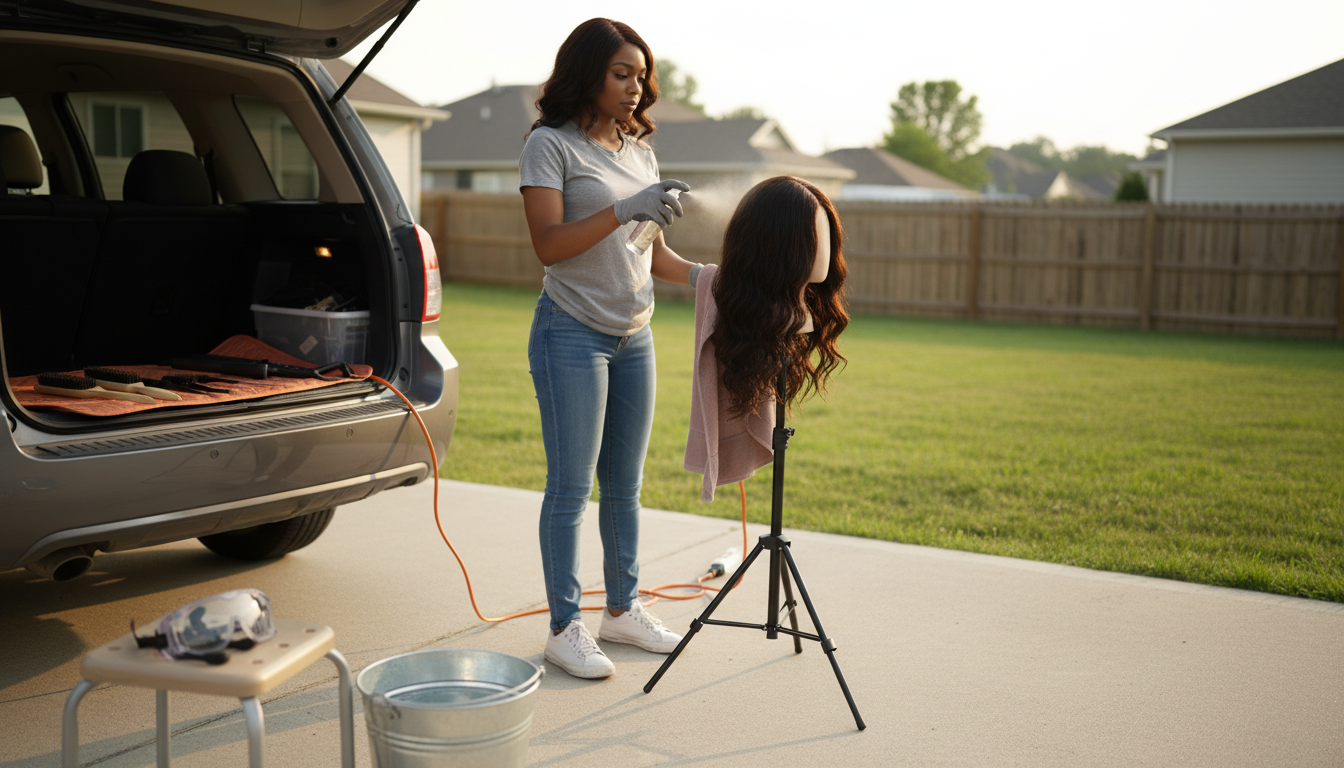
Can you use styling tools on wigs?
Yes, you can use styling tools on wigs, but the right approach depends on the fiber. Human hair wigs can typically handle heat styling (like flat irons, curling irons, and blow dryers) similarly to natural hair, while most synthetic wigs require low-heat tools specifically labeled as “heat-friendly” (and even then, only within a safe temperature range). Using the wrong tool or too much heat is the fastest way to cause frizz, melting, or permanent texture damage.
How to style a human hair wig with heat tools
Start with a clean, fully dry wig, then detangle gently from ends to roots. Use a heat protectant made for hairpieces, set tools to the lowest effective temperature, and work in small sections. For sleek results, keep the iron moving rather than clamping in one place. For curls, let each curl cool completely before brushing or separating to help it hold.
How to style a synthetic wig safely
Check the label first: regular synthetic fibers should not be used with standard hot tools. If the wig is heat-friendly, use a temperature-controlled tool on low heat and test a small, hidden strand before styling the full piece. For many synthetics, heatless methods—like foam rollers, steam styling, or setting with warm (not boiling) air—are safer options.
Tools that help prevent damage
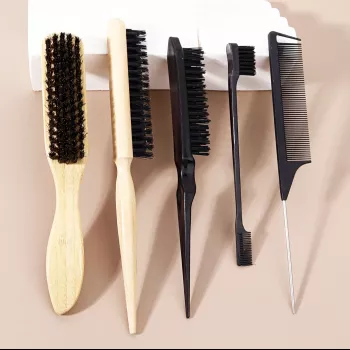
Using wig-specific tools can make styling easier and reduce snagging, shedding, and fiber stress. A gentle brush/comb set, sectioning clips, and the right maintenance tools are especially helpful when working with tangling-prone lengths or dense caps. For a practical overview of wig-friendly tools, see the Bamboo Wig Tool Kit guide.
For Heat Styling Wigs: Tools, Temps & Fiber Safety, the best answer depends on fit, material, care instructions, and how the product will be used day to day.
FAQ
What temperature should I use on a wig?
For human hair wigs, start around 250–300°F and increase only if needed. For heat-friendly synthetics, stay within the manufacturer’s limit—often 220–280°F—and always strand-test first.











Leave a comment