Sisal Rope for Cat Trees: Pros, Cons, and Durability
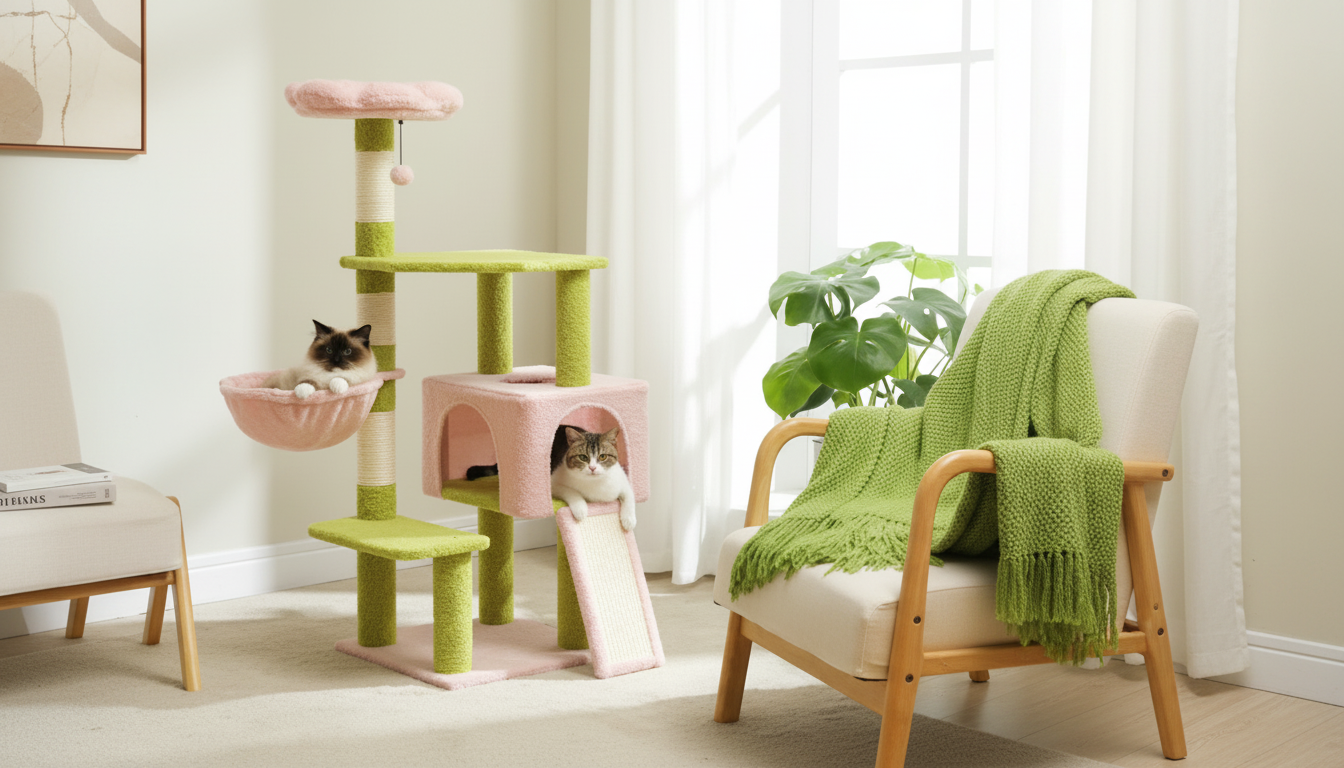
Is sisal rope good for cat trees?
Yes—sisal rope is one of the best materials for cat trees because it holds up to repeated clawing, gives cats a satisfying texture to rake, and helps direct scratching away from carpets and furniture. When it’s wrapped tightly around posts and secured well, sisal provides consistent resistance that encourages natural scratching behavior and daily stretching.
Why cats tend to prefer sisal for scratching
Cats scratch to shed old nail layers, mark territory (both visually and with scent glands in their paws), and release energy. Sisal rope has a coarse, grippy feel that “catches” the claw without feeling slippery. That feedback is a big reason many cats choose sisal over smooth wood or plush-only posts.
Durability: how long sisal rope typically lasts
Compared with cardboard scratchers, sisal rope usually lasts longer on a cat tree, especially on vertical posts where cats can fully extend their bodies. Longevity depends on rope thickness, how tightly it’s wrapped, and your cat’s scratching intensity. High-traffic scratch zones will eventually fray, but that fraying is normal and often makes the surface even more appealing.
What to look for in a good sisal-wrapped post
A quality sisal post should feel firm with minimal “give” when pushed. Look for tight, even wrapping with no wide gaps, loose coils, or exposed staples where paws could snag. Thicker rope and strong adhesive or fasteners help prevent unraveling, which is the main failure point on cheaper posts.
Any downsides to sisal rope?
Sisal can shed small fibers as it wears, so expect some cleanup around the base. Also, if the rope is wrapped loosely or the post wobbles, cats may lose interest quickly. Stability matters as much as material—cats scratch harder when the post doesn’t move.
For a deeper look at sisal scratching posts and cat tree designs (including cozy perch styles), visit this guide to flower cat trees with sisal scratching posts.
FAQ
How do I keep sisal rope from unraveling on a cat tree?
Trim loose fibers, then spot-secure the end with pet-safe glue or rewrap the area tightly and fasten it. If unraveling is widespread, replacing the rope on the post is usually the most durable fix.








Leave a comment