AI Grocery Shopping: Smarter Lists, Less Waste, More Savings
How can AI help with grocery shopping?
AI can make grocery shopping faster, cheaper, and less stressful by helping plan meals, building smarter lists, and keeping purchases aligned with budget and dietary needs. Instead of starting from scratch each week, AI tools can learn what your household buys, spot patterns, and suggest what to restock before you run out.
1) Turn meals into a ready-to-shop list
AI meal planners can generate recipe ideas from your preferences (quick dinners, high-protein, kid-friendly) and automatically convert those meals into a categorized grocery list. Many tools also adjust serving sizes, swap ingredients for allergies, or suggest substitutes when something is out of season.
2) Reduce waste with pantry awareness
By tracking what you already have—through past purchases, manual pantry lists, or barcode scanning—AI can recommend recipes that use up leftovers and soon-to-expire items. That means fewer duplicate buys and less food going bad in the fridge.
3) Spend less with price comparisons and deal matching
AI-enabled apps can compare prices across stores, highlight cost-effective brands, and recommend lower-cost alternatives without changing the meal plan. Some tools flag unusually high prices, suggest buying in bulk when it makes sense, or help you stick to a weekly budget cap.
4) Personalize choices for health and dietary goals
Whether you’re watching sodium, managing diabetes, or eating plant-based, AI can filter products and recipes to match your targets. It can also help balance macros across the week and recommend ingredient swaps that keep flavor while meeting nutrition needs.
5) Make shopping quicker in-store or online
AI can sort lists by aisle, prioritize essentials, and remember favorite items. For online shopping, it can suggest a “reorder basket,” prevent missing staples, and streamline substitutions so you’re not scrambling at checkout.
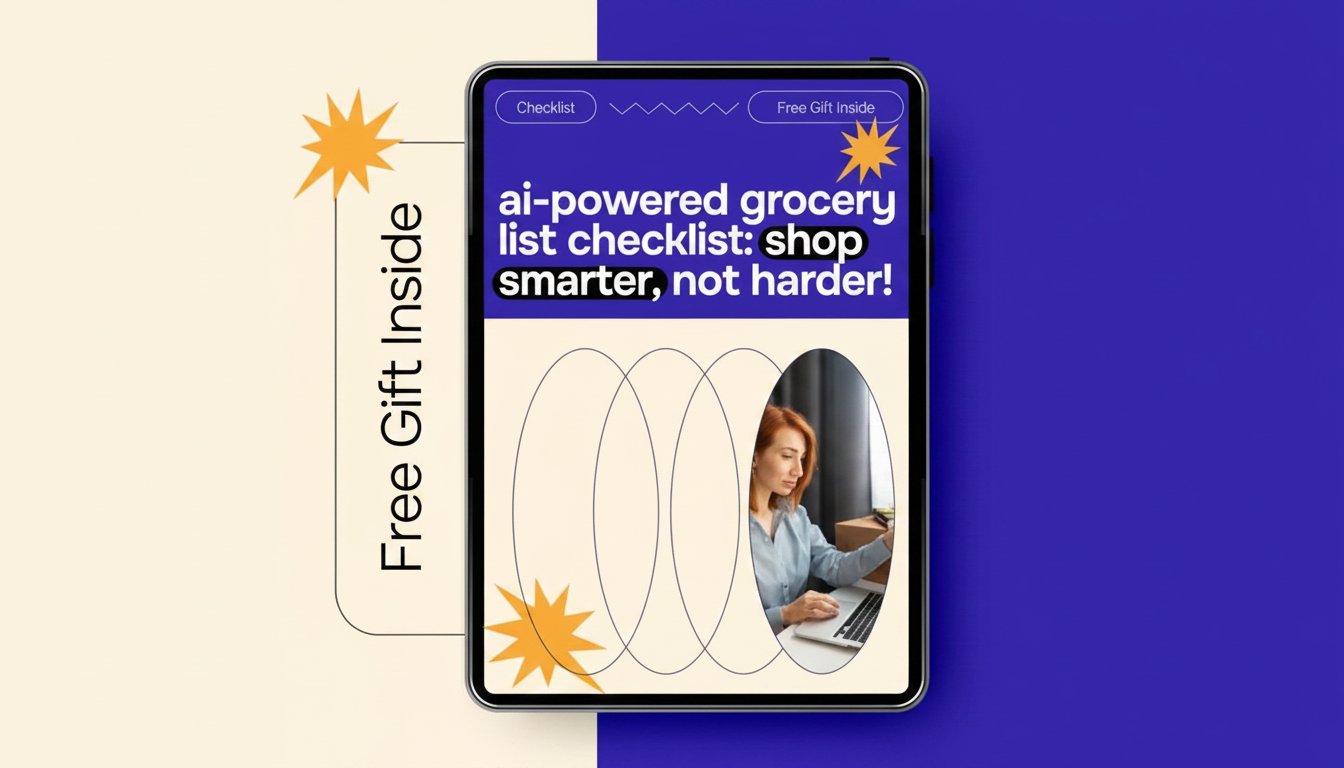
For a practical way to put this into action, use this AI-friendly grocery list guide and checklist: AI grocery list checklist (printable + digital download).
FAQ
What should I include in an AI-generated grocery list?
Start with meals you’ll actually cook, then add staples, snacks, and household essentials. Include quantities, preferred brands, and notes like “substitute if unavailable” to keep the list useful at checkout.











Leave a comment