Window Sill Plants for Small Spaces: Light + Care Checklist
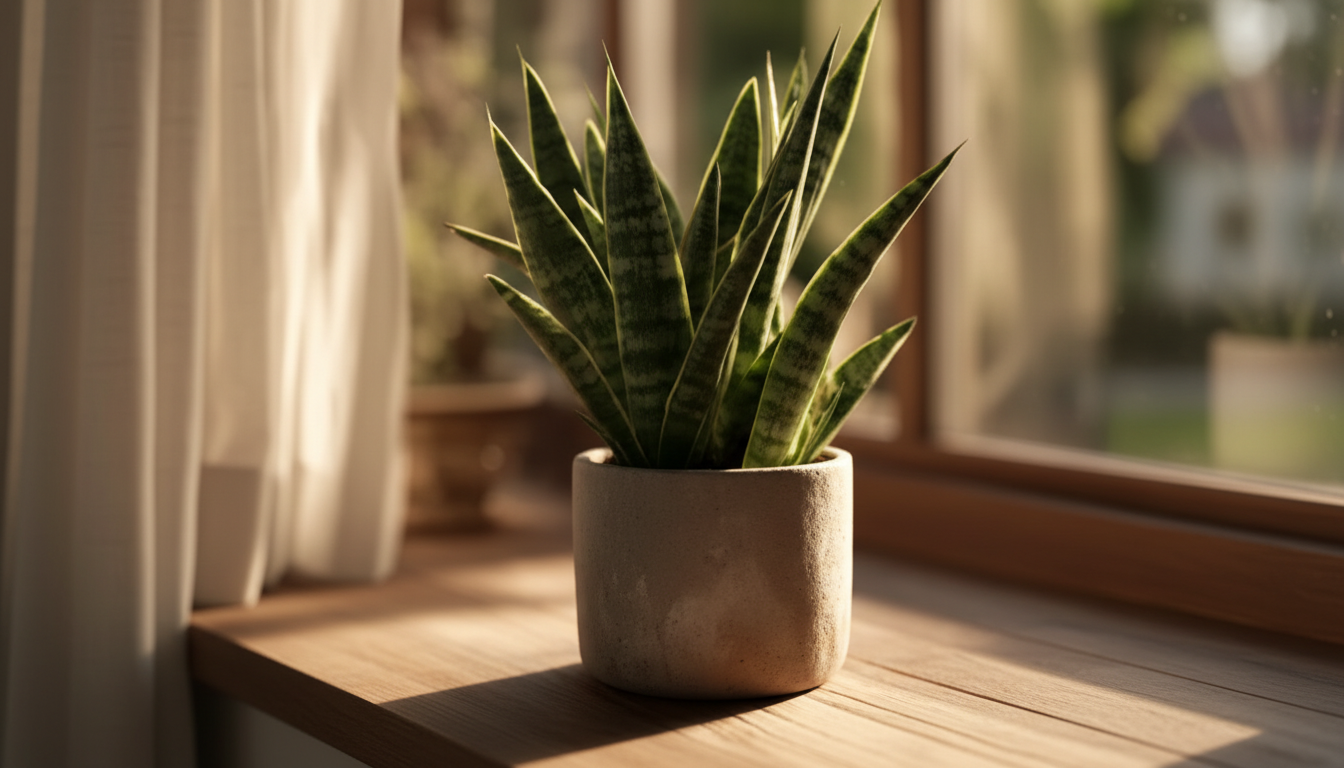
Window Sill Plant Ideas for Small Spaces: A Simple Checklist for Sunlight, Placement, and Care
A window sill can become a compact indoor garden when plants are matched to the light that actually hits the glass. The key is getting realistic about sun exposure on the sill itself (not just a “bright room”), then choosing stable containers and a simple care rhythm that works in tight quarters. Below you’ll find easy, low-fuss window sill plant ideas for bright, medium, and low light—plus a practical checklist for measuring sunlight, choosing containers that fit narrow ledges, and keeping watering and pests manageable.
Start with the Window: Light, Heat, and Drafts
- Check direction and daily light: south/west windows tend to be brighter; north windows are usually lower light; east windows often provide gentler morning sun.
- Do a quick 3-day observation: note hours of direct sun on the sill, not just the overall room brightness.
- Watch for hidden stressors: radiators below the sill, cold drafts in winter, and hot glass in summer can dry soil quickly.
- Use a simple rule: if a sunbeam hits the pot for 4–6+ hours, treat it as bright/direct; 2–4 hours is medium; mostly bright shade is low light.
- Plan for rotation: turn pots weekly for even growth, especially for plants that lean toward the glass.
Plant Ideas by Sunlight Level (Quick Match Guide)
Start by matching the plant to the light level, then fine-tune placement and watering. If something struggles, change one variable at a time: move it 1–3 feet back from the glass, adjust watering frequency, or switch to a smaller pot that dries faster.
Window Sill Plant Match Table: Light Level, Easy Picks, and Care Notes
| Sill light level | Easy plant ideas | Pot + soil tip | Watering cue | Common mistake to avoid |
|---|---|---|---|---|
| Bright/direct (4–6+ hrs sun) | Succulents (echeveria/haworthia), aloe, dwarf citrus (advanced), rosemary | Use a pot with drainage + gritty mix for succulents; heavier pot prevents tipping | Water only when mix is dry throughout (lift-test: pot feels light) | Keeping soil constantly damp; leaves scorch if pressed against hot glass |
| Medium (2–4 hrs sun or bright indirect) | Pothos, philodendron, spider plant, peperomia, basil/mint (often better with morning sun) | All-purpose indoor mix with perlite; saucer to protect sill paint | Water when top 1–2 inches are dry; herbs prefer more consistent moisture | Overpotting (too large container) leading to slow-drying soil and root issues |
| Low light (bright shade, minimal direct sun) | Snake plant, ZZ plant, cast iron plant, some ferns (with humidity) | Smaller pot + airy mix reduces soggy soil risk | Water sparingly; wait until soil is mostly dry for snake/ZZ | Treating low light as “no light” (plants still need daylight) and overwatering |
Containers and Setup for Narrow Sills
- Measure first: check sill depth and window clearance, including space for blinds/curtains and opening the window.
- Choose stable containers: wider bases, ceramic/terra-cotta for weight, or slim rectangular planters if the sill is deep enough to prevent tipping.
- Always prioritize drainage: pots with holes plus a tray/saucer. If you love decorative cachepots, keep the plant in a plastic nursery pot inside so you can lift it out to water.
- Protect surfaces: add a waterproof tray liner or cork/foam pad under saucers to prevent water rings and reduce cold transfer in winter.
- Plan vertical space: use a small riser or tiered stand to keep leaves from touching cold/hot glass while staying on the sill.
A Practical Weekly Care Rhythm (Low-Effort, High Consistency)
Small-space plant care works best when it’s repeatable. A quick routine reduces surprise pests, soggy soil, and crispy leaves.
- Daily 10-second check: look for wilting, yellowing, or crispy edges; confirm leaves aren’t touching the glass.
- Twice-weekly moisture check: use the finger test or a wooden skewer; water only when your plant’s target dryness is reached.
- Weekly maintenance: rotate pots, wipe dust from leaves, remove dead growth, and empty standing water in saucers.
- Monthly reset: inspect for pests (especially spider mites near sunny, dry windows), trim leggy growth, and refresh topsoil if compacted.
- Seasonal adjustments: water less in winter (slower growth), and move plants slightly away from heating vents or cold drafts.
For deeper guidance on when to water (and how to avoid common indoor watering mistakes), see University of Minnesota Extension — Indoor plants: watering.
Troubleshooting Common Window Sill Problems
For general houseplant care basics and plant-specific notes, Royal Horticultural Society — Houseplants is a helpful reference, and the Missouri Botanical Garden Plant Finder can help confirm light and watering preferences for a specific plant.
Printable Checklist for Fast Setups and Better Plant Matches
If you want a ready-to-use guide you can keep on your phone or print for plant day, see
Window Sill Plant Ideas – Easy Indoor Gardening Checklist (Digital Download).
For small-space ambiance near plant shelves or a reading nook by the window, you may also like
Luxury Crystal Wall Lamp – Elegant Iron & Crystal Light for Living Spaces.
FAQ
How many hours of sun count as “bright light” on a window sill?
Count bright light as about 4–6+ hours of direct sun hitting the sill. Medium is typically 2–4 hours, while low light is mostly indirect daylight; note that seasons shift sun angles and hot glass can intensify stress.
Which plants are the easiest for a beginner window sill garden?
Snake plant and ZZ plant are forgiving in low light, pothos and spider plant are easy in medium light, and haworthia or aloe do well in bright sun. Prioritize drainage and avoid watering on a schedule.
Why do window sill plants dry out so quickly?
Direct sun, warm glass, and extra airflow from drafts or heating vents can speed up evaporation, and small pots dry faster by design. Check moisture more often, consider heavier pots, and keep leaves slightly off the glass to reduce heat stress.










Leave a comment