Best Window Sill Plants by Light (Sunny to Low Light)
What plants are good for window sills?
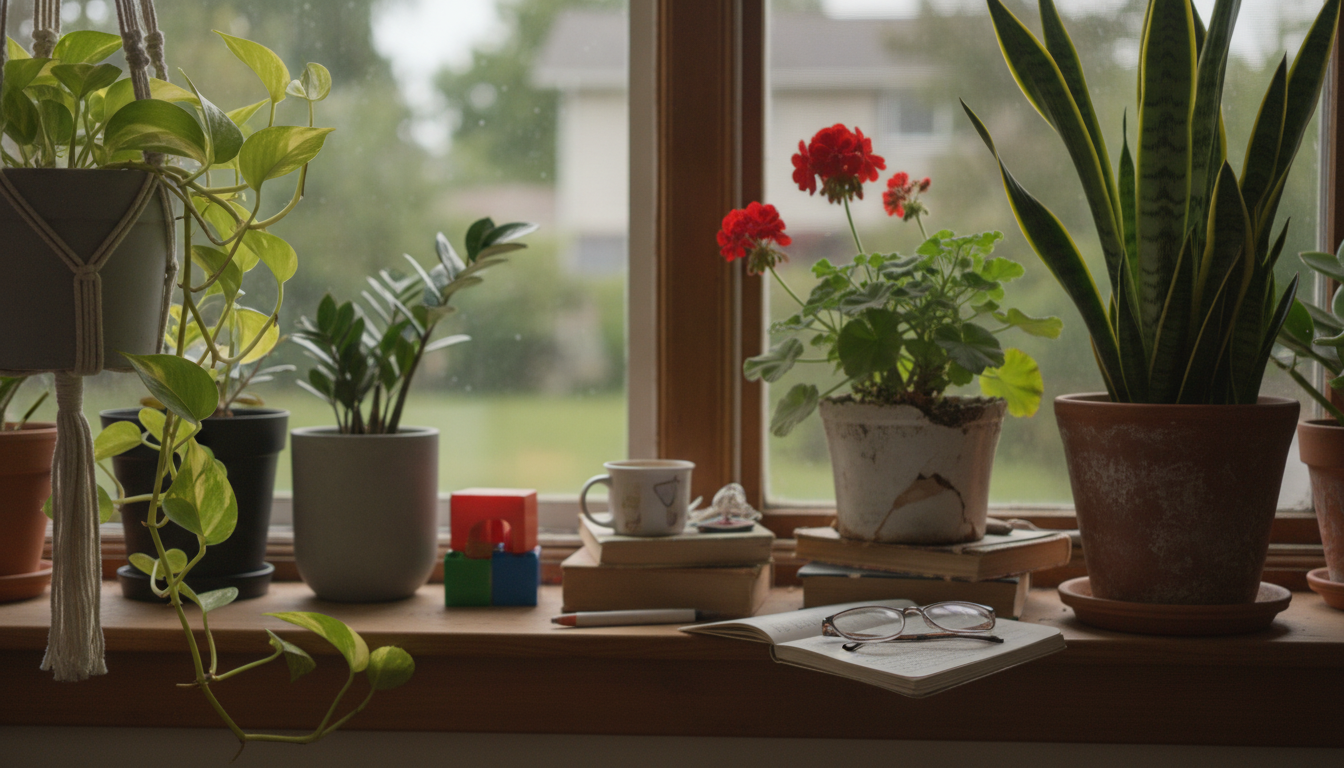
The best window-sill plants stay compact, tolerate indoor conditions, and match the light your window actually gets. Start by identifying exposure: south- and west-facing windows usually provide the brightest light, while north- and many east-facing windows tend to be gentler and better for low-to-medium light growers.
Bright, sunny window sills (south/west)
If your sill gets several hours of direct sun, choose plants that won’t scorch easily and that like to dry a bit between waterings. Great options include succulents (like echeveria or haworthia), aloe vera, jade plant, and small cacti. Herbs also do well here—basil, rosemary, thyme, and oregano stay useful and fragrant, as long as you water when the top inch of soil feels dry and rotate pots weekly for even growth.
Medium or indirect light (many east windows)
For bright-but-filtered light, try pothos, philodendron, peperomia, and spider plant. These are forgiving if you miss a watering, and they handle typical indoor humidity without fuss. African violets are another classic sill choice because they stay small and bloom well with steady light and careful watering (avoid wetting the leaves).
Lower light window sills (north or shaded)
When light is limited, prioritize tough, low-light performers like snake plant, ZZ plant, and cast-iron plant. They won’t grow as fast as in brighter spots, but they hold up well and won’t demand constant attention.
Quick care tips for success
Use pots with drainage holes, empty saucers after watering, and keep leaves from touching cold glass in winter. If the sill runs hot from heating vents, move plants an inch or two back or use a small riser.
For a simple light-and-care checklist plus more small-space picks, visit this guide to window-sill plants.
FAQ
How do I know if my window sill gets enough light?
Watch the light pattern for a full day: direct sun creates sharp shadows, while indirect light looks bright but shadow edges stay soft. If plants stretch toward the glass or new growth is small and pale, they likely need more light.









Leave a comment