5-Minute Calm Reset for Anxious Days (3-Step Guide)
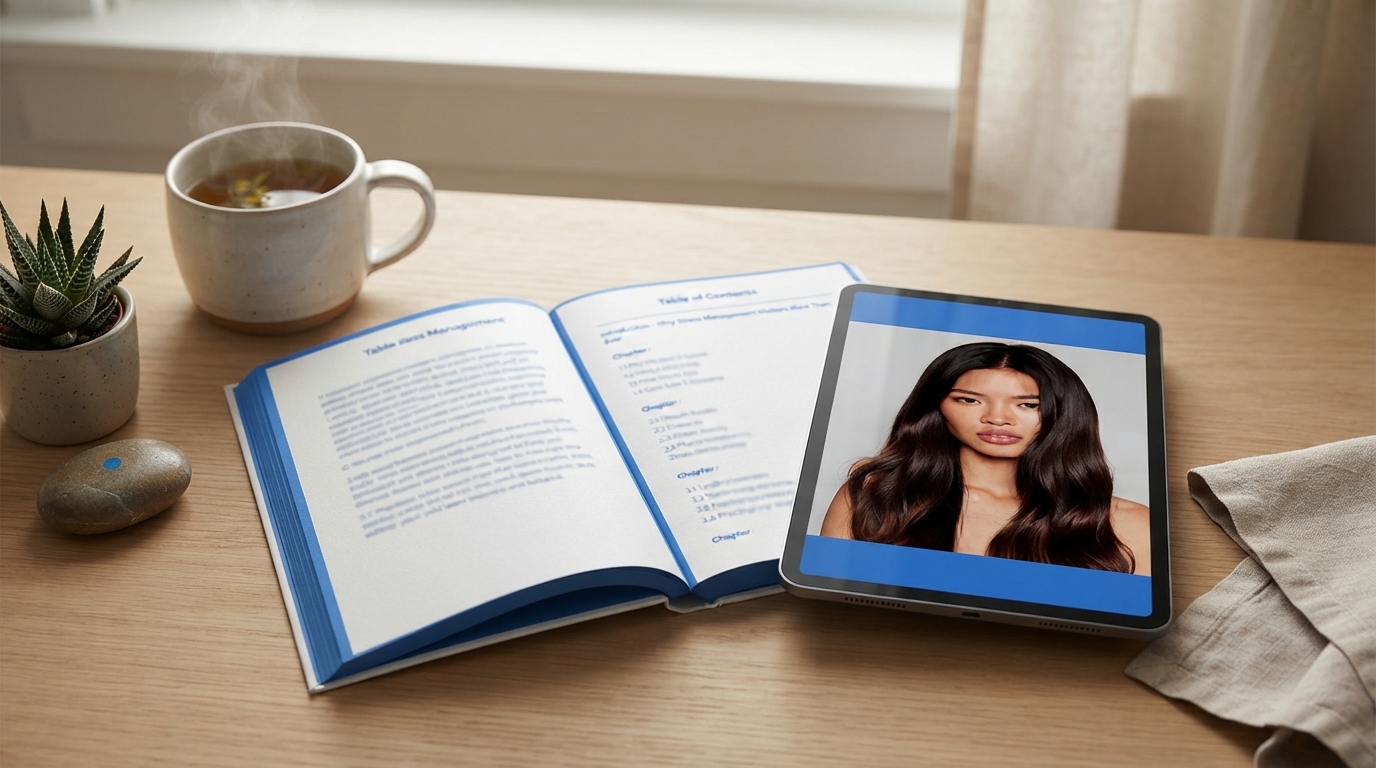
Finding Your Calm Again: A Practical Stress-Reset Guide for Anxious Days
Stress can feel like a constant background noise—tight shoulders, racing thoughts, shallow breathing, and a nervous system that never quite powers down. Calm isn’t a personality trait; it’s a set of skills that can be practiced and rebuilt. This guide organizes simple, repeatable techniques for steadying the body, clearing the mind, and returning to emotional balance—especially on days when anxiety feels loud.
When “calm” feels out of reach: what stress is doing to the body
Stress doesn’t always show up as “panic.” It can look like irritability, fatigue, restlessness, brain fog, headaches, muscle tension, stomach discomfort, or trouble sleeping. When the nervous system stays in high alert, the body acts as if it must keep responding—even if the original trigger is long gone.
Anxiety often amplifies threat-scanning: the mind searches for problems to solve, even when the body actually needs recovery. That can turn a normal stress response into a loop—more thinking leads to more tension, which leads to more alarming sensations, which leads to even more thinking.
A helpful reframe: the goal isn’t to eliminate stress—it’s to shorten recovery time and reduce how often the body stays stuck in high alert. Small interventions done consistently tend to outperform occasional “big” resets because they teach your system what “safe enough” feels like again. For a deeper overview of how stress affects the body, the American Psychological Association is a solid reference.
A 3-step calm reset you can use in under 5 minutes
When anxiety spikes, complicated plans can feel impossible. This quick reset is designed to be doable in the messy middle of real life—between meetings, in the car (parked), or while dinner is cooking.
Step 1 — Ground the body (30–60 seconds)
Place both feet on the floor. Unclench the jaw. Drop the shoulders. Gently lengthen the exhale. This is less about “perfect breathing” and more about sending your body a simple signal: we’re not sprinting right now.
Step 2 — Name what’s happening (30 seconds)
Label sensations and emotions: “tight chest,” “worry,” “overwhelmed,” “buzzing,” “sad.” Naming reduces mental spiraling by turning a vague threat into something specific and measurable.
Step 3 — Choose one next action (1–3 minutes)
Pick one small, finishable action: drink water, open a window, stretch, write a single to-do, or do one breathing cycle. If thoughts keep looping, repeat Step 2 and pick an action that involves movement or temperature change (a short walk, splashing cool water, holding a cold drink for 30 seconds).
Quick calm toolkit: match the technique to the moment
Not every tool fits every moment. Use breath and grounding for immediate nervous-system downshifts, especially when the body feels keyed up. Use brief mindfulness for racing thoughts, mental clutter, and emotional overwhelm. Use journaling prompts when emotions are complex and need sorting rather than suppressing. Pairing techniques often works best: a 60-second body reset first, then a 2-minute mind practice.
| Technique | Time | Best for | How to do it |
|---|---|---|---|
| Extended exhale breathing | 1–3 min | Racing heart, restlessness | Inhale through the nose, exhale longer than the inhale (e.g., 4 in / 6 out) for 6–10 rounds. |
| 5-4-3-2-1 grounding | 2–4 min | Spiraling thoughts | Name 5 things seen, 4 felt, 3 heard, 2 smelled, 1 tasted; go slowly and describe details. |
| Shoulder + jaw release | 60–90 sec | Tension and headaches | Raise shoulders toward ears, hold 2 seconds, release; gently massage jaw hinge and relax the tongue. |
| Mindful sip | 2 min | Overwhelm, agitation | Take a warm tea or water sip; notice temperature, taste, and swallowing without multitasking. |
| Worry “container” note | 3–5 min | Persistent worry loops | Write the worry, then schedule a later time to revisit; add one tiny next step if possible. |
Building emotional balance: daily habits that make calm easier
Quick techniques are lifesavers, but daily habits make them easier to access. Think of habits as reducing the “background load” your nervous system carries.
When stress is chronic, it can help to follow established guidance for coping and self-care basics. The CDC’s coping with stress resource is a practical starting point.
Using a structured guide to stay consistent when motivation is low
- Finding Your Calm Again – Stress Management Guide, Anxiety Relief eBook, Mindfulness & Emotional Balance Digital Download
- Unlocking Savings Secrets — Master Your Deal Hunting Routine: How to Schedule Regular Deal Hunts for Maximum Savings
When extra support is needed
Immediate help is warranted if there are thoughts of self-harm, panic that feels unmanageable, or symptoms that feel medically urgent. Therapy, coaching, and medical care can complement self-guided practices; calm skills work best with the right level of support. For general information on anxiety disorders, the National Institute of Mental Health is a trusted source.
FAQ
How quickly can stress-management techniques work?
Some tools (like extended exhales or grounding) can reduce intensity within minutes, especially when your body is in a “keyed up” state. Consistent practice over days and weeks tends to improve baseline resilience, so you recover faster and get stuck less often.
Is mindfulness helpful if anxiety feels too intense to sit still?
Yes—mindfulness doesn’t have to mean sitting quietly. Try movement-based mindfulness, brief sensory grounding, eyes-open practices, or starting with just 30–60 seconds and building from there.
What’s included in a digital stress and anxiety guide?
Many digital guides include guided exercises, repeatable routines, worksheets, reflection prompts, and a simple coping plan you can follow daily. Because it’s a download, it’s easy to keep on your phone or computer for quick access.









Leave a comment