Mulch Safety Made Simple: Depth, Distance, Healthier Soil
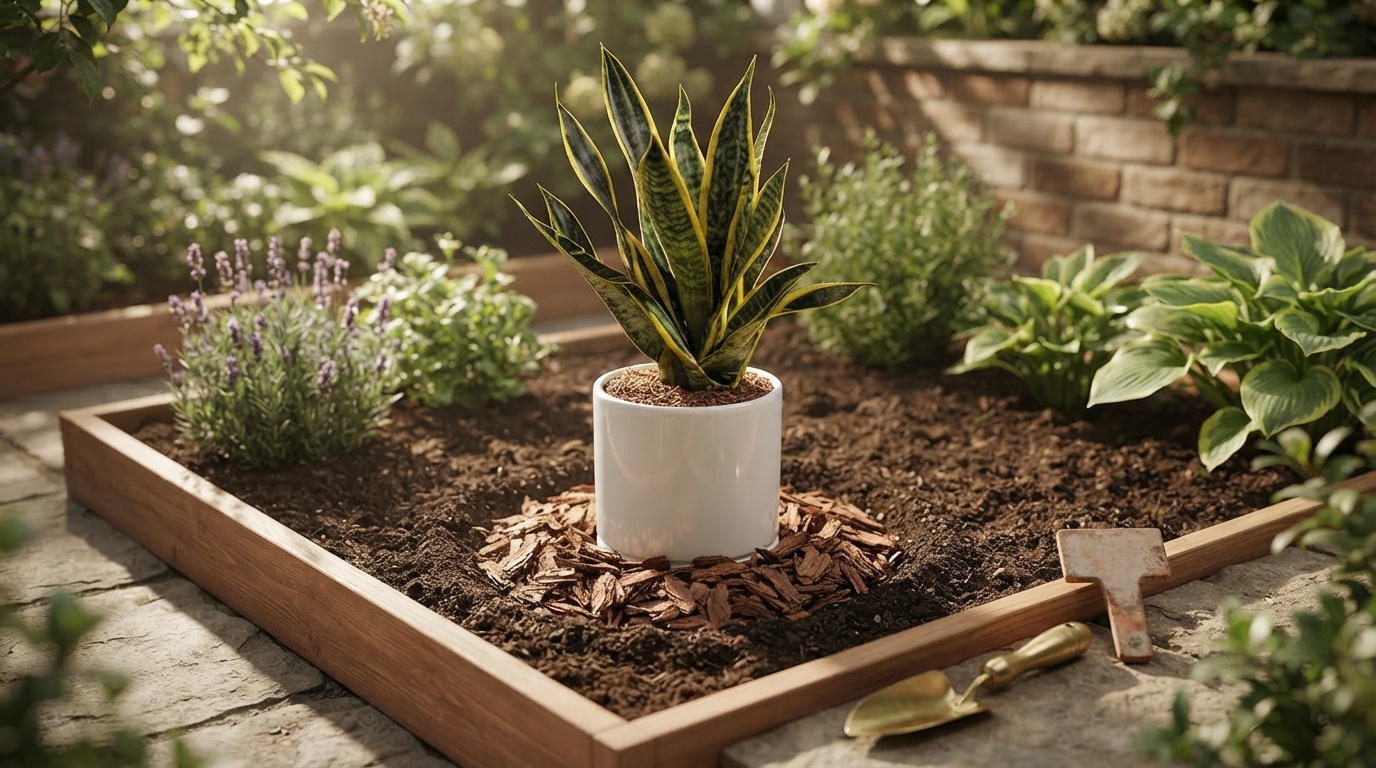
Mulch Smart: Protect Plants with Confidence
Mulch can be one of the simplest ways to keep plants thriving—when it’s used safely. The right mulch, applied the right way, helps soil hold moisture, moderates temperature swings, reduces weeds, and supports healthier roots. This guide focuses on practical, stress-free choices and the most common pitfalls to avoid so plants stay protected instead of smothered.
Why Mulch Helps (and When It Hurts)
Used well, mulch acts like a steadying layer between your plants and unpredictable weather. It slows evaporation so soil stays evenly moist, which can reduce drought stress and cut down on watering. It also buffers soil temperatures, helping roots handle heat spikes in summer and cold snaps in spring and fall.
Mulch is also a quiet weed-control tool: by blocking light from reaching weed seeds, it reduces germination and makes the weeds that do sprout easier to pull. With natural mulches (like wood chips, shredded leaves, and compost), you also get a gradual boost in organic matter as the mulch breaks down, supporting soil structure and beneficial soil life. For research-backed guidance, see the University of Minnesota Extension’s overview of mulching landscape plants: https://extension.umn.edu/planting-and-growing-guides/mulching-landscape-plants.
Where mulch turns from helpful to harmful is almost always an application issue: piling it too thick, pressing it against stems and trunks, or choosing a material that mats down and holds too much moisture around crowns.
Mulch Safety Basics: The Non-Negotiables
- Keep mulch off plant tissue. Leave a mulch-free ring around plant crowns and stems, and keep tree trunks clear so bark can stay dry and breathe.
- Stick to a breathable depth. For most beds, an even 2–3 inch layer is enough. Thicker layers can trap moisture, reduce oxygen, and invite rot.
- Refresh lightly instead of stacking. Fluff what’s there and top up only what has decomposed rather than repeatedly adding full layers.
- Water after spreading. A good soak settles mulch into place and reduces the chance it “wicks” moisture from the surface zone during the first dry day.
- Prevent crusting. If mulch compacts into a hard layer that sheds water, gently rake or break it up so rainfall and irrigation can soak in.
Choosing the Right Mulch for the Right Place
Organic mulches (wood chips, shredded bark, leaf mold, compost) improve soil over time and suit most landscape beds. Inorganic mulches (stone, gravel, rubber) don’t feed the soil and can run hotter—best where aesthetics and durability matter more than soil-building.
Vegetable gardens usually do best with clean straw, leaf mold, or compost. If using woody mulch, many gardeners keep it on paths or use it over a composted surface so vegetables aren’t competing at the soil surface for nitrogen during early breakdown. Trees and shrubs tend to respond well to coarser wood chips that resist matting and allow better airflow—Penn State Extension offers tree-specific best practices here: https://extension.psu.edu/mulching-landscape-trees.
Mulch types and practical safety notes
| Mulch type | Best for | Typical depth | Key safety tip |
|---|---|---|---|
| Coarse wood chips | Trees, shrubs, pathways in beds | 2–4 in | Keep 3–6 in away from trunks; avoid volcano-shaped piles |
| Shredded bark | Ornamental beds, slopes | 2–3 in | Watch for matting; fluff if it forms a dense layer |
| Leaf mold / shredded leaves | Beds, under shrubs, woodland gardens | 2–3 in | Shred leaves to prevent forming a slick, water-shedding mat |
| Compost (as mulch) | Vegetable beds, perennials | 1–2 in | Use as a thin topdress; too thick can stay wet around crowns |
| Straw (weed-free) | Vegetable gardens | 2–4 in | Keep off stems; monitor for slugs in consistently damp climates |
| Stone/gravel | Drought-tolerant plantings, around hardscape | 1–2 in | Expect higher heat; protect shallow-rooted plants from overheating |
How to Apply Mulch Without Smothering Plants
Start with a clean slate: pull weeds, water if the soil is dry, and level the surface so mulch spreads evenly. Next, create breathing room by leaving a clear ring around stems and trunks; crown-sensitive perennials often benefit from extra space, especially in humid or rainy spells.
Common Mulch Mistakes and Quick Fixes
Seasonal Mulching for Stress-Free Gardening
Fall: Replenish where mulch has broken down, and consider leaf mold or shredded leaves for winter soil protection. Building soil organic matter supports long-term soil health—USDA NRCS provides a helpful overview: https://www.nrcs.usda.gov/conservation-basics/natural-resource-concerns/soils/soil-health.
A Simple Confidence Checklist Before Calling It Done
Helpful Digital Guides (In Stock)
- Mulch Smart: Protect Plants with Confidence – Garden Mulch Safety Around Plants Guide for Healthy Soil & Stress-Free Gardening (Digital guide)
- Unlocking Savings Secrets — Master Your Deal Hunting Routine: How to Schedule Regular Deal Hunts for Maximum Savings (Digital guide)
FAQ
How close should mulch be to plant stems and tree trunks?
Leave a mulch-free ring around stems and crowns so they stay dry and well-aerated. For trees, keep mulch off the trunk and expose the root flare; larger trunks generally need a wider clear space (often several inches).
How deep should mulch be for most garden beds?
For many garden beds, an even 2–3 inches is a reliable target. Go thinner for seedlings and when using compost as mulch, and avoid overly deep layers that can reduce oxygen and increase the chance of rot.
Is wood mulch safe for vegetable gardens?
Wood mulch can be safe if it’s clean and used thoughtfully, but many gardeners prefer straw, leaf mold, or compost directly on vegetable beds. If using wood-based mulch, consider keeping it on paths or topdressing compost first, and skip unknown dyed sources if quality is uncertain.












Leave a comment