Sleep & Hormones: Fix Cortisol, Cravings, and Energy

How Sleep Shapes Your Hormones: Circadian Rhythm, Stress, Energy, and Metabolic Balance
Sleep is one of the strongest daily signals your endocrine system uses to time hormone release. When sleep timing, duration, or quality slips, the body often compensates with stress hormones, appetite shifts, reduced glucose control, and changes in sex and growth-related hormones. Understanding the science of circadian rhythm and hormone timing makes it easier to troubleshoot fatigue, cravings, mood swings, and stubborn weight changes without relying on guesswork.
Sleep as a hormone “timing system”
Sleep isn’t only “recovery time.” It functions like a nightly scheduling system that helps coordinate hormone pulses across the night and sets up tomorrow’s baseline for energy, appetite, and stress resilience. Two forces work together: circadian rhythm (your internal 24-hour clock) and sleep pressure (the buildup that happens the longer you’re awake).
When sleep timing is consistent, hormones tend to follow a more predictable pattern—often more important than people realize. Two nights of the same total hours can feel completely different if one occurs on a steady schedule and the other is irregular. Light is the strongest external cue for your clock: bright light early can shift the rhythm earlier, while bright evenings (especially screens and overhead lighting) can delay melatonin, shift cortisol timing, and nudge metabolism later.
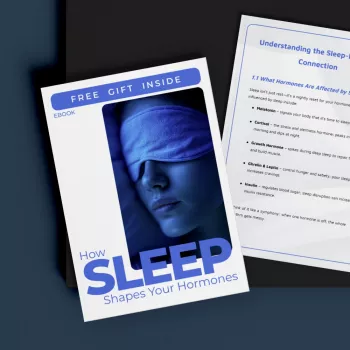
For a deeper, step-by-step framework that ties sleep stages and circadian timing to daily energy and appetite patterns, see How Sleep Shapes Your Hormones – Science-Backed Ebook on Sleep and Hormone Control, Circadian Rhythm Health, Energy, Stress & Metabolic Balance.
Cortisol, stress, and the “wired but tired” pattern
Cortisol typically rises in the early morning to support alertness (often called the cortisol awakening response) and gradually declines toward bedtime. Short sleep, fragmented sleep, and inconsistent sleep timing can blunt, shift, or stretch this rhythm—contributing to the classic feeling of being exhausted all day but restless at night.
Late-night work, doomscrolling, and intense exercise too close to bed can keep the nervous system revved up, making it harder for cortisol and body temperature to drop. Practical levers usually start with a consistent wake time, a repeatable wind-down routine, and evening light reduction so your body gets a clear “night signal.”
| What you notice | Possible sleep-related driver | Hormone systems often involved |
|---|---|---|
| Trouble falling asleep despite fatigue | Late light exposure or irregular schedule | Melatonin, cortisol |
| Afternoon energy crash | Insufficient sleep depth or short sleep | Cortisol rhythm, thyroid signaling |
| Increased cravings at night | Sleep restriction and late eating window | Ghrelin, leptin, insulin |
| Stubborn belly weight over time | Chronic short sleep + stress load | Cortisol, insulin |
| Lower libido or menstrual irregularity | Circadian disruption and poor sleep quality | Sex hormones, prolactin |
Appetite hormones: why sleep loss can amplify hunger
Two key appetite signals are ghrelin (which promotes hunger) and leptin (which supports satiety). When sleep is short, many people notice stronger hunger cues and weaker “I’m satisfied” signals—especially later in the day. Sleep loss can also increase reward-driven eating, making ultra-palatable foods feel more tempting even if calorie needs haven’t changed.
Insulin sensitivity, glucose control, and metabolic balance
If loud snoring, gasping, morning headaches, or persistently unrefreshing sleep shows up, it may be worth discussing possible sleep apnea with a clinician. Untreated breathing disruptions can significantly affect cardiometabolic and hormonal health. For additional sleep health context, the Centers for Disease Control and Prevention maintains practical guidance on sleep and common sleep disorders.
Melatonin, light, and the circadian rhythm reset
Morning daylight, on the other hand, is a powerful anchor that can strengthen circadian alignment over time. A simple habit like stepping outdoors soon after waking (even on cloudy days) can help pull the clock earlier and support earlier melatonin onset at night. The National Institute of General Medical Sciences offers a clear overview of how circadian rhythms work and why light matters.
For a home environment that supports “dim evenings, bright mornings,” consider lighting that’s comfortable and controllable at night, such as the Luxury Crystal Wall Lamp – Elegant Iron & Crystal Light for Living Spaces (especially when paired with lower-intensity bulbs or warm lighting choices in the evening).
Sex hormones, growth hormone, and recovery
Daily habits that support healthier hormone rhythms
Science-backed guidance in the ebook
If you want a structured, practical plan rather than piecing together tips, Get the ebook on circadian rhythm health, energy, stress, and metabolic balance. It includes clear explanations of how circadian rhythm and sleep stages influence hormone release, plus realistic routines and checklists for light exposure, evening habits, and consistency. It also covers when persistent symptoms may warrant a conversation with a clinician (for example, suspected sleep apnea or chronic insomnia), aligning with patient education principles shared by groups like the Endocrine Society.
FAQ
How many hours of sleep support healthy hormone balance?
Many adults do best in the 7–9 hour range, but consistency and sleep quality matter as much as the number. If daytime sleepiness persists despite adequate time in bed, it’s a sign to reassess sleep continuity, schedule, and possible sleep disorders.
Can fixing sleep reduce cravings and late-night snacking?
Yes—better sleep can support steadier hunger and satiety signals (including ghrelin and leptin) and reduce reward-driven eating. A more consistent sleep schedule can also shrink the late-night eating window, making evening snacking less likely.
What’s the quickest way to shift a delayed sleep schedule?
Start by anchoring a consistent wake time and getting bright morning light, then dim lights and screens at night. Shift gradually (often 15–30 minutes earlier every few days) rather than making drastic changes that backfire, and seek professional support if insomnia is severe.










Leave a comment